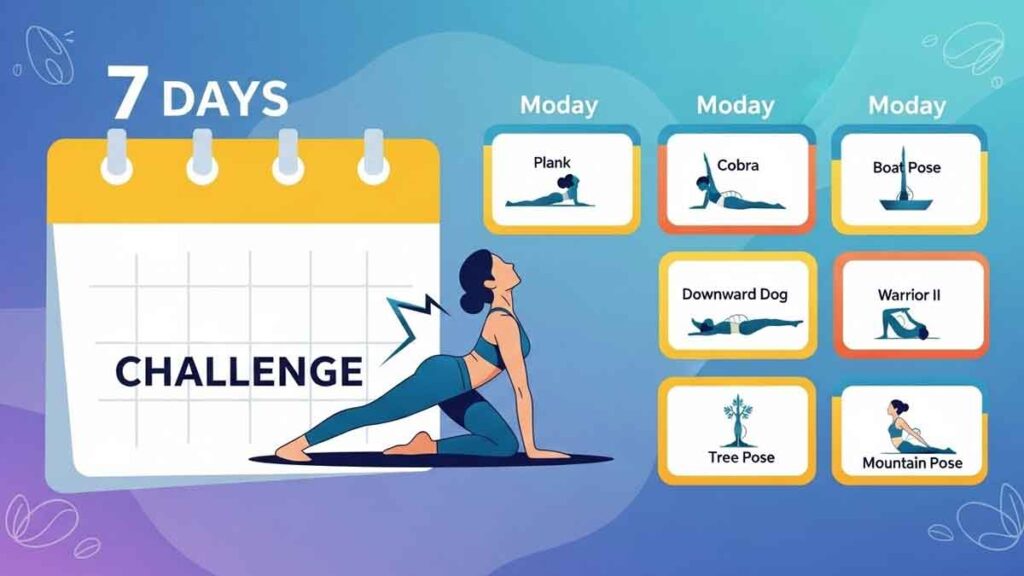
In a world where we spend hours hunched over desks, scrolling through phones, and slouching on couches, poor posture has become the silent thief of our health. It sneaks in, tightening shoulders, weakening backs, and leaving us with nagging aches that disrupt our daily lives. But what if reclaiming your alignment was as simple as a week-long commitment to your core? Enter the 7-Day Core Strengthening Yoga Challenge, a gentle yet powerful routine designed to awaken your midsection, stabilize your spine, and transform how you carry yourself.
This challenge isn’t about extreme twists or marathon sessions. Instead, it’s a progressive sequence of yoga poses that target the deep layers of your core: the transverse abdominis, obliques, and multifidus muscles that act like an internal corset, supporting your posture from the inside out. By the end of seven days, you’ll not only feel taller and more confident but also equipped with tools to maintain that poise long-term. Whether you’re a desk warrior fighting the 9-to-5 slump or an active soul looking to refine your form, this routine delivers real, noticeable shifts. Let’s dive in and build a stronger, straighter you.
Understanding the Core-Posture Connection
Before we roll out our mats, it’s worth unpacking why core strength is the unsung hero of good posture. Your core isn’t just those visible abs you see in fitness ads, it’s a dynamic network of muscles encircling your torso, from your diaphragm down to your pelvic floor. These muscles work in harmony to keep your spine neutral, preventing the forward tilt that leads to rounded shoulders and a protruding gut.
Weak core muscles force compensatory patterns: your neck cranes forward to balance a slouchy spine, your lower back arches to offset instability, and tension builds in your hips and hamstrings. Over time, this cascades into issues like chronic back pain, reduced lung capacity (hello, shallow breathing), and even digestive woes. Strengthening your core counters this by creating a stable foundation. Think of it as upgrading your body’s architecture firmer pillars mean a straighter, more resilient structure.
Yoga shines here because it blends strength-building holds with mindful movement, engaging the core without the jarring impact of crunches. Poses like Plank and Boat cultivate endurance, while twists and balances refine control. Studies from yoga research hubs, such as those exploring spinal health, consistently show that consistent core-focused practice improves postural awareness and reduces misalignment by up to 30% in just weeks. Ready to feel that stability? The challenge ahead will guide you step by step.
Getting Started: Essentials for Your Challenge
Success in this 7-day journey hinges on preparation, not perfection. Block out 20-30 minutes daily, ideally in the morning to set a grounded tone or evenings to unwind tension. Choose a quiet space with a non-slip yoga mat, borrow one if needed, as it cushions your joints and anchors your feet.
Props and Modifications
You won’t need much: a yoga block or thick pillow for support in seated poses, and a strap (or belt) for binds if flexibility is limited. Beginners, listen up, modifications keep things accessible. If a pose feels too intense, drop to your knees or shorten the hold time. The goal is consistent engagement, not strain. Warm up with three rounds of Cat-Cow (on all fours, alternate arching and rounding your back with breath) to loosen the spine.
Breath as Your Anchor
Ujjayi breathing soft, oceanic inhales and exhales through the nose fuels every move. It oxygenates muscles, calms the nervous system, and draws the core inward on exhales, amplifying activation. Track progress in a journal: note how poses feel, energy levels, and posture cues throughout the day. Hydrate well and pair sessions with posture checks, set phone reminders to roll shoulders back hourly.
With setup sorted, let’s unroll the routine. Each day builds on the last, layering poses for cumulative strength. Hold static poses for 5-10 breaths (about 30-60 seconds), flowing mindfully between them. Rest in Child’s Pose as needed.
Day-by-Day Breakdown: Your Core Awakening
Day 1: Foundations of Stability
Ease in with basics to map your core’s current state. Start seated in Staff Pose (Dandasana): legs extended, hands by hips, draw navel to spine. Feel the subtle lift through your torso, this awakens the transverse abdominis.
Transition to Tabletop Plank: On hands and knees, align wrists under shoulders, knees under hips. Lift to a forearm plank, elbows under shoulders, body in a straight line. Engage your core by imagining a string pulling your belly button up. Hold, then lower. Repeat 3 times.
End with Seated Forward Bend (Paschimottanasana): Fold over extended legs, hands on shins or feet. This stretches the posterior chain while gently compressing the belly for core awareness. Total time: 20 minutes. Reflection: Notice any wobbles, they’re your starting point for growth.
Day 2: Building Heat with Twists
Ignite your obliques, the side core muscles that rotate and stabilize. Begin in Easy Pose (Sukhasana), cross-legged with a tall spine. Thread one arm under the other, hooking elbow to knee for a gentle Revolved Easy Pose. Twist on exhale, gazing over the shoulder. Switch sides.
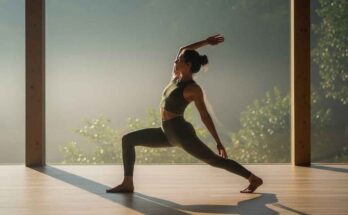
Move to Low Lunge Twist: Step right foot forward into lunge, left knee down. Place right hand inside right foot, lift left arm skyward, twisting open. The core rotates here, countering desk-induced rounding. Hold, switch. Flow into Side Plank prep: From all fours, lift right arm and leg, stacking hip over hip. This fires the entire midsection.
Close with Wind-Relieving Pose (Pavanmuktasana): Hug one knee to chest while extending the other leg. Alternate to massage and release. 25 minutes today. Insight: Twists detoxify and realign, easing that “stuck” feeling in your mid-back.
Day 3: Balancing Act for Control
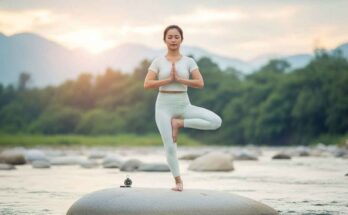
Balance demands core precision, training it to steady your posture against daily pulls. Kick off with Tree Pose (Vrksasana): Stand tall, place right foot on left inner thigh (or calf), hands at heart. Fix gaze on a point; your core keeps you rooted yet lifted.
Advance to Warrior III (Virabhadrasana III): From standing, hinge forward at hips, extending right leg back, arms forward. Torso parallel to floor like a seesaw balanced by belly strength. Hold briefly, switch. If shaky, use a wall for support.
Incorporate Boat Pose (Navasana) variation: Sit, lift feet to shin height, arms parallel to floor. Rock gently side to side to engage obliques. 25 minutes. Pro tip: Shaky balances build neural pathways for better postural reflexes, your body learns to self-correct.
Day 4: Deep Core Ignition
Amp up intensity with holds that mimic real-life stability. Forearm Plank returns, but add knee tucks: Lift one foot, draw knee to chest, alternate slowly. This dynamic duo targets deep stabilizers.
Flow into Dolphin Pose: From forearm plank, lift hips into an inverted V, head toward floor. Pedal feet to warm hamstrings, core firm to prevent sagging. Then, Crow Pose prep: Squat, place hands shoulder-width, shift weight forward onto palms, knees on triceps. Lift one foot if ready, pure core trust.
Wind down with Bridge Pose (Setu Bandhasana): Lie on back, feet hip-width, lift hips skyward. Squeeze glutes and core to form a line from knees to shoulders. Clasp hands under back for deeper lift. 30 minutes. Key takeaway: These igniters reveal imbalances, favoring one side? Note it for targeted tweaks.
Day 5: Twists and Turns for Mobility
Revisit rotation with fresh angles. Open in Supine Twist: Lie back, hug right knee across body, left leg extended. Shoulder blades grounded, core rotates without forcing the spine.
Stand for Chair Twist (Parivrtta Utkatasana): Knees bent as if sitting in a chair, twist torso right, left elbow outside right knee. Press palms together for leverage. This sculpts obliques while opening hips, countering sedentary tightness.
Add Eagle Pose (Garudasana): Wrap right thigh over left, arms crossed, sink into a squat. The bind compresses the belly, firing deep muscles. Unravel and switch. Seated Boat Crunches finish: From Boat, lower torso halfway, alternate twisting elbows to opposite knees. 30 minutes. Mobility tip: Fluid twists prevent the “locked-up” posture that plagues long sitters.
Day 6: Endurance Builders
Push duration for lasting strength. Extended Side Angle (Utthita Parsvakonasana): Lunge right foot forward, left arm overhead, right forearm on thigh. Core side-bends here, elongating and toning.
Transition to Half Moon (Ardha Chandrasana): From forward fold, lift left leg back, right hand down, left arm up. Gaze to hand, core’s the glue holding this teetering triangle.
Core finisher: Hundred prep from Pilates roots, adapted yogic. Lie back, lift head and shoulders, pump arms vigorously while curling navel in. 100 breaths (or 50 if new). 30 minutes. Endurance builds resilience, your posture holds steady through meetings or commutes.
Day 7: Integration and Flow
Culminate with a mini sequence weaving all elements. Sun Salutation A variation: Add Plank to Chaturanga (lowered plank), then Upward Dog, emphasizing core lift. Insert Boat between rounds for spice.
Flow into a standing series: Warrior I to Humble Warrior (arms clasped behind, fold forward), then twist to Revolved Warrior. End supine: Legs up the Wall with core engagement (lift hips slightly before settling). Full body scan: Lie in Savasana, noting posture’s ease. 30 minutes. Celebrate: You’ve woven core power into your being.
Maximizing Results: Pro Tips and Common Pitfalls
To amplify gains, integrate off-mat habits. Stand against a wall daily, heels, hips, shoulders, head touching to recalibrate alignment. Foam roll tight spots post-practice; it releases fascia, enhancing core access.
Avoid pitfalls like breath-holding (it spikes tension) or rushing flows (mindful pace deepens engagement). If pain arises (beyond mild burn), pause and consult a pro, yoga heals, not harms. Nutrition nod: Fuel with whole foods; protein-rich snacks like nuts post-session repair muscles.
Lasting Benefits: A Stronger You Awaits
Beyond straighter stance, this challenge ripples outward. Expect reduced back strain, boosted confidence (upright posture signals poise), and even sharper focus, core work enhances mind-body sync. Long-term, it fortifies against age-related slumps, keeping you vital. Revisit weekly; evolution, not perfection.
FAQ
What if I’m a complete yoga beginner?
Start with modifications: Use props for support and halve hold times. Focus on breath over form progress comes with patience. Consider a guided video for visual cues.
How soon will I notice posture improvements?
Many feel shifts by Day 3, like lighter shoulders. Full integration takes 2-4 weeks of consistency, but daily check-ins accelerate awareness.
Can I do this challenge if I have back issues?
Yes, with caveats, skip intense twists if acute pain exists. Opt for supported versions and consult your doctor. Yoga often eases chronic discomfort through gentle strengthening.
What’s the best time of day for these sessions?
Mornings invigorate; evenings release the day’s tension. Choose what fits your rhythm, but consistency trumps timing.
How do I progress after the 7 days?
Repeat with longer holds or add weights (like ankle bands). Incorporate into weekly flows, aiming for 3-4 core-focused sessions. Track with photos for motivation.