
This article offers general information only. It is not medical advice. Always consult your child’s pediatrician or seek urgent care if symptoms worry you. In the USA, call your doctor or 911. In the UK, dial NHS 111 or 999 for emergencies.
That sudden bark in the middle of the night stops you cold. Your toddler sits up, gasping, with a cough that sounds like a seal. Panic hits hard. You’re not alone. Thousands of parents in the USA and UK face this exact scare every winter.
The relief? Most croup episodes stay mild. Smart steps at home can ease the cough fast and keep everyone calmer. We’ll walk you through exactly what works for effective croup treatment without unnecessary trips to the ER. You’ve got this.
What Exactly Is Croup and Why Does It Strike at Night?
Croup is a viral swelling in the voice box and upper airway. Common cold viruses spark it, tightening the space where air flows. Toddlers between six months and three years feel it most because their tiny windpipes leave little room for error.
Nighttime makes everything worse. Gravity pulls fluid downward when they lie flat. Breathing slows during sleep, so the bark and whistle hit harder. You might notice a low fever or runny nose first, then boom—the classic seal cough appears.
Short and scary, right? Yet it usually peaks in three to five days and fades.
I once sat with a mom in New York whose two-year-old had back-to-back nights of it. Once she understood the “why,” the fear dropped. Knowledge turns panic into power every single time.
Watch for the high-pitched stridor on inhale. That tells you the airway is narrowed. But don’t worry yet. Most kids bounce back beautifully with simple home remedies for croup.
Stay close at night. Keep a calm voice. Your steady presence already helps more than you know.
Recognizing the Early Signs of Croup in Your Child
Spotting it early changes everything. The cough starts hoarse and barking, like a seal at the zoo. Hoarseness follows. Your child might sound raspy when talking or crying.
A mild fever often tags along. Runny nose and sniffles usually come first. Then, out of nowhere, the nighttime drama begins.
Listen for stridor—that squeaky whistle when breathing in. It’s louder with activity or upset. If it’s only during crying, that’s milder. At rest? Pay closer attention.
Your little one may seem restless or pull at their neck. They breathe faster than normal. These clues help you jump on treating croup at home before it escalates.
A dad in Manchester once told me his daughter’s first episode fooled him completely. He thought it was just a bad cold until the bark started at 3 a.m. Next time he knew exactly what to watch.
Every child differs slightly. Trust your gut. If something feels off beyond the usual cough, that’s your cue to act.
Simple and Effective Home Remedies for Croup Treatment
Start with calm—right now. Crying swells the airway more, so hold your child upright on your lap. Sing softly. Read a favorite book. Your steady voice works wonders.
Offer plenty of fluids. Small sips of water, diluted juice, or breast milk keep them hydrated and soothe the throat. Warm clear broth can feel especially comforting on raw vocal cords.
Try cool, moist air. Run a cool-mist humidifier in the bedroom. Or take them into the bathroom while the shower runs hot (stay outside the spray to avoid burns). Many parents swear by this for quick croup cough remedies.
Step outside into cool night air if it’s not freezing. A short walk or open window often relaxes the airway fast. One quick breath of cold air can loosen that bark almost instantly.
Give age-appropriate fever relief. In the USA use children’s acetaminophen or ibuprofen. In the UK reach for paracetamol or ibuprofen. Follow the packet exactly. Never use aspirin.
Keep them upright while sleeping—extra pillows for bigger kids or a safe incline for babies. Check on them every hour at first.
These steps handle most mild cases beautifully. You’ll see improvement within hours if you stay consistent.
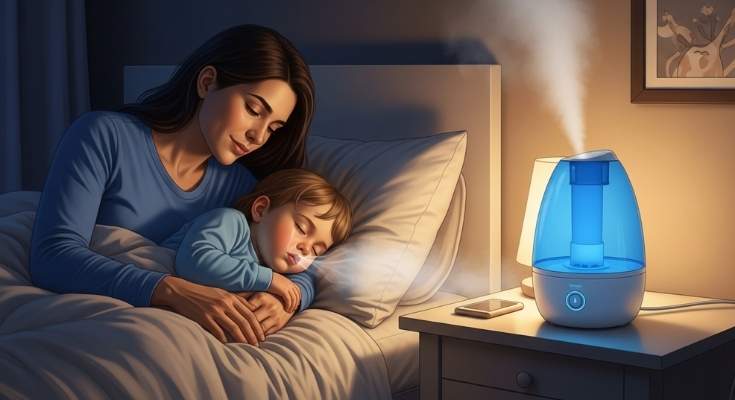
Creating the Perfect Soothing Environment for Fast Relief
Turn the bedroom into a calm zone. Dim lights. Soft music. No screens that wind them up.
A cool-mist humidifier running all night adds moisture without risk. Clean it daily to avoid mold. Place it safely away from the bed.
Layer light blankets. Overheating makes breathing harder. Keep the room cool but comfortable—around 68°F feels ideal.
Distract with quiet play. Blocks, coloring, or cuddly toys work wonders. The goal is zero distress.
I recall a UK family who set up a “croup station” with humidifier, drinks, and storybooks. Their three-year-old actually looked forward to the cozy setup. Turning scary nights into something manageable changed their whole experience.
Avoid cough medicines completely. They don’t help and can be unsafe for little ones. Stick to the basics that actually work.
When to Stop Home Care and Get Professional Medical Help
Most kids improve fast. Yet some signs mean it’s time to call for help immediately.
Stridor at rest that doesn’t ease. Chest pulling in with each breath. Blue lips or fingernails. Extreme drowsiness or trouble waking.
Drooling or refusal to swallow. High fever that won’t come down. Breathing that sounds like grunting.
In the USA head to the pediatrician or ER. In the UK use NHS 111 first or 999 if breathing looks really labored.
Doctors may prescribe a single dose of steroid medicine like dexamethasone. It shrinks swelling fast. Rarely they use nebulized epinephrine in hospital.
Don’t wait it out if you’re unsure. Better safe than sorry—every parent I’ve spoken with says they never regretted checking.
Wrapping It All Up
You now hold practical tools for handling croup like a pro. Calm, cool air, fluids, and quick fever relief make the biggest difference for most families. Trust yourself, stay close, and watch those symptoms closely.
Your child will feel better soon. Share your own croup story in the comments below or with other parents—it helps more than you know. And always keep your pediatrician’s number handy.
Frequently Asked Questions About Croup Treatment
How long does croup last?
Most cases clear up in three to five days. The worst barking usually lasts one or two nights with good home care.
Can I use steam for croup?
Many US families find steamy bathrooms helpful. UK NHS guidelines advise against it because of scald risks and lack of strong proof. Cool mist or night air works safely for everyone.
Is croup contagious?
Yes, the virus spreads easily. Keep your child home from nursery or daycare until the fever and bad cough pass.
Should I give cough medicine?
No. Cough syrups don’t help croup and can be harmful in young children. Stick to the simple remedies above.
Can adults catch croup?
Rarely. Adults have larger airways, so the same virus usually just causes a cold.
What if my child keeps getting croup?
Recurrent episodes deserve a chat with your doctor. They may check for other causes like allergies or reflux.
When can my child return to school?
Once fever-free for 24 hours and feeling brighter, they’re usually fine to go back.