Picture this: It’s 3 p.m. on a Wednesday, and your inbox is overflowing like a digital avalanche. Your shoulders feel like they’re carrying the weight of the entire corporate ladder, and that persistent tension headache is whispering doubts about your caffeine intake. Sound familiar? For millions of office workers, stress isn’t just a buzzword; it’s the uninvited guest that crashes every meeting and lingers through lunch. But what if you could hit the reset button in just five minutes, right from your swivel chair, without stepping foot in a gym or booking a spa day?
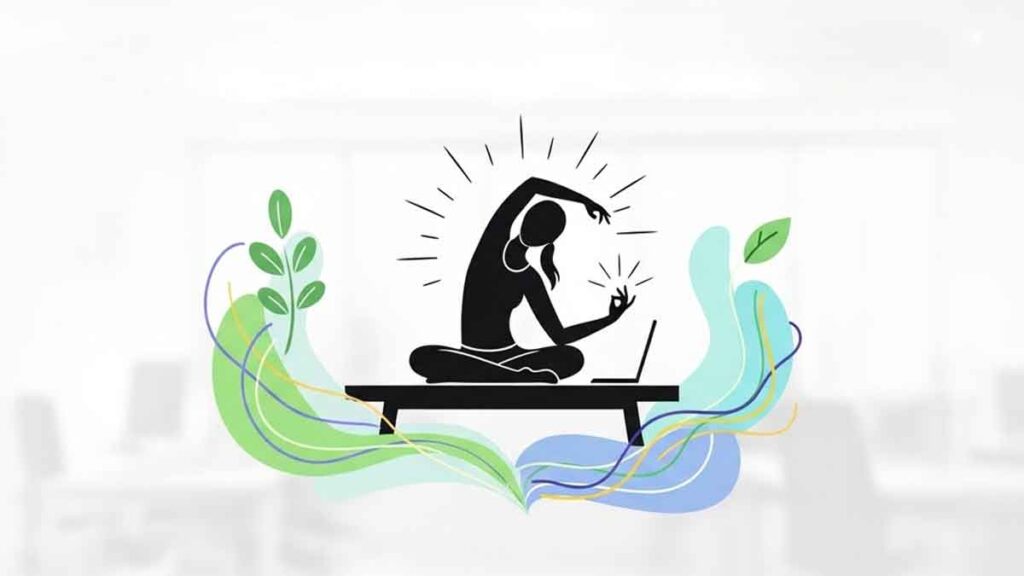
Enter desk yoga: a compact, powerful ally in the battle against burnout. This isn’t about contorting into pretzel shapes or chanting in a crowded studio. It’s a straightforward routine designed for the modern desk jockey, blending gentle stretches, mindful breaths, and subtle movements to melt away tension. In the next 1500 words or so, we’ll dive into why this works, how to do it step by step, and tips to make it a seamless part of your workday. By the end, you’ll have a toolkit to reclaim your calm, boost your focus, and maybe even smile at that next email ping. Let’s roll up our sleeves (or not) and get started.
Why Desk Yoga for Stress Relief?
Office life is a perfect storm for stress. Long hours hunched over screens trigger the body’s fight-or-flight response, flooding your system with cortisol, the hormone that keeps you alert but also amps up anxiety and fatigue when it lingers. Tight deadlines, endless notifications, and the ergonomic nightmare of a non-adjustable chair compound the issue, leading to everything from stiff necks to scattered thoughts. Studies from organizations like the American Psychological Association highlight how chronic workplace stress contributes to decreased productivity and even health risks like high blood pressure.
That’s where desk yoga shines. At its core, yoga isn’t just physical; it’s a trifecta of movement, breath, and awareness. Gentle poses release muscle knots built from hours of typing and scrolling, while deep breathing activates the parasympathetic nervous system, the “rest and digest” mode that counters stress’s chaos. Even a brief session signals to your brain that it’s safe to unwind, lowering heart rate and sharpening mental clarity.
But why commit to just five minutes? Time is the ultimate office currency, and research from mindfulness experts at Harvard shows that micro-breaks as short as 60 seconds can reduce perceived stress by up to 20 percent. A full five-minute routine amplifies that, offering a quick dopamine hit without derailing your schedule. It’s accessible too: no mats, no fancy attire, just you and your workspace. Whether you’re a newbie intimidated by “downward dog” or a veteran yogi squeezed for time, this routine levels the playing field. The result? Less overwhelm, more presence, and a subtle shift toward viewing your desk as a sanctuary rather than a stressor.
Getting Started: What You’ll Need
The beauty of desk yoga lies in its simplicity. You don’t need a home studio or a personal trainer; your office setup is the stage. Start with a stable chair (swivel if possible, but any will do) and enough space to extend your arms without knocking over your coffee mug. Wear whatever feels comfortable: loose pants or a skirt that allows free movement beat restrictive slacks every time. If your desk has a keyboard tray, push it aside for a bit more legroom.
Mindset matters as much as materials. Approach this with curiosity, not perfection. No prior yoga experience required; think of it as a permission slip to pause. Set a timer on your phone for five minutes to keep things contained, and dim your screen or close your eyes during breaths for deeper immersion. If colleagues are nearby, no worries: these moves are subtle, like a discreet stretch rather than a full performance. Ready? Clear a mental space, exhale the to-do list, and let’s flow into the routine.
The Five-Minute Desk Yoga Routine
This sequence is a flowing circuit, cycling through five key poses or movements, each held or repeated for about one minute. Move mindfully, syncing breath with action: inhale to lengthen, exhale to release. Repeat the cycle if time allows, but five minutes is plenty for a reset. Focus on sensation over form; if something feels off, ease up.
Minute 1: Neck Rolls for Upper Body Release
Begin seated tall, feet flat on the floor, hands resting on your thighs. This pose targets the neck and shoulders, prime real estate for stress storage from endless head tilts toward monitors.
Inhale deeply through your nose, lifting your chin slightly. As you exhale, gently drop your right ear toward your right shoulder, feeling the stretch along the left side of your neck. Hold for three breaths, then switch sides. Now, for the roll: Inhale center, exhale to circle your chin toward your chest, then slowly to the left shoulder, up to the ceiling, and back around to the right. Make full, lazy circles like you’re easing out a kink after a long drive. Do three clockwise, then three counterclockwise.
Why it works: This unravels the trapezius muscles, often clenched from phone huddles or furrowed brows. Feel the warmth spread? That’s circulation kicking in, flushing out tension. Common pitfall: Don’t force the tilt; let gravity do the heavy lifting. If dizziness arises (rare, but possible), stick to side stretches.
Minute 2: Shoulder Shrugs and Rolls
Stay seated, but now interlace your fingers and place them behind your head, elbows wide like airplane wings. Shoulder tension is the silent saboteur of good posture, turning your upper back into a battlefield.
Inhale, shrug your shoulders up toward your ears, squeezing those blades together. Hold the squeeze for a count of three, then exhale forcefully, dropping shoulders down and back, pulling your elbows toward each other. Repeat five times, emphasizing the drop: Imagine shrugging off worries like a heavy coat.
Transition to rolls: Keep hands on thighs. Inhale forward, rolling shoulders up and back in a smooth arc, like drawing circles with your shoulder blades. Do five forward, five backward. Breathe steadily; let exhales be audible if it feels good.
Insight: These moves counteract “tech neck,” where forward slouch compresses nerves. You’ll notice freer breathing almost immediately, a sign your diaphragm is thanking you. Modify by keeping hands down if elbows feel strained.
Minute 3: Seated Spinal Twists for Core Calm
Twists are yoga’s detox for the spine, wringing out stagnation like a sponge. They’re gold for office workers glued to one position.
Sit forward on your chair, feet hip-width, hands on knees. Inhale to lengthen your spine, growing tall from tailbone to crown. Exhale, place your right hand on your left knee and left hand behind you on the chair seat. Gently twist right, gazing over your right shoulder. Hold for three breaths, feeling the spiral from hips to ribs. Inhale back to center, exhale to the left side.
Alternate sides twice each, moving with breath. Keep hips grounded; the twist comes from the waist up.
Pro tip: If your chair has arms, rest your outer hand there for leverage. This pose not only eases mid-back tightness but also stimulates digestion, a sneaky stress reliever since tension often knots the gut. Beginners: Twist less, breathe more.
Minute 4: Desk Forward Fold for Full-Body Surrender
Time to fold in and let go. This inverted pose flips the script on upright office posture, inviting blood flow to the brain for a clarity boost.
Stand if space allows (or stay seated for a gentler version), feet parallel under hips. Hinge at your hips, folding forward to drape your torso over your thighs. Let arms hang loose, hands toward the floor or resting on shins. If seated, fold from the hips, chest to thighs, arms extended forward on the desk.
Breathe deeply for 30 seconds: Inhale to lengthen the spine, exhale to soften deeper. Shake your head “yes” and “no” gently, releasing neck holdouts. Then, walk hands to one side for a hamstring stretch, then the other.
Rising: Roll up vertebra by vertebra, stacking bones like building blocks. Why fold? It calms the nervous system via gentle compression, mimicking a hug for your organs. Hamstring tight? Bend knees generously; no strain, all gain.
Minute 5: Alternate Nostril Breathing for Mindful Close
End with breath, the anchor of any yoga practice. This pranayama technique balances the brain’s hemispheres, dialing down mental chatter.
Seated comfortably, rest your left hand on your knee, palm up. Use your right thumb to close your right nostril, right ring finger for the left. Close right nostril, inhale slowly through left for four counts. Close left nostril, release right, exhale four counts. Inhale right, close it, exhale left. That’s one round; do four to six.
Focus on smooth, equal breaths. If nostrils feel stuffy, just breathe deeply with eyes closed, hands in lap.
The magic: This quiets the “monkey mind,” fostering focus for that post-routine task. It’s discreet too; no one will bat an eye at a brief eye close.
Tips for Incorporating This into Your Day
Making desk yoga a habit is like watering a plant: consistency over intensity. Slot it into natural pauses, like after a call or before lunch. Pair it with a trigger, such as standing for a stretch every hour via a phone alarm labeled “Zen Break.”
Customize for you: If mornings are frantic, do a morning edition to set a steady tone. Afternoons call for the full routine to combat the slump. For shared spaces, whisper breaths or do mini-versions. Track wins in a notes app: “Felt looser after emails.” Over time, expand to 10 minutes, but five is the sweet spot for sustainability.
Accessibility note: Pregnant? Consult a doc, but seated twists can adapt by skipping deep folds. Wrist issues? Skip hand placements. Listen to your body; yoga’s about invitation, not obligation.
Additional Benefits and the Science Snapshot
Beyond instant relief, this routine builds resilience. Regular practice can lower baseline cortisol by 15-20 percent, per yoga research in the Journal of Alternative and Complementary Medicine, enhancing sleep and immunity. You’ll notice sharper decision-making too, as oxygen-rich blood fuels the prefrontal cortex. It’s a stealth investment in your workday ROI.
Conclusion
In a world that glorifies grind, five minutes of desk yoga is your quiet rebellion: a reclaiming of space, breath, and sanity. This routine isn’t a cure-all, but it’s a reliable companion for the desk-bound grind. Try it today; your future self, with looser shoulders and clearer head, will thank you. What’s one pose you’ll test first? Hit the comments or your mat (er, chair) and share.
FAQ
Is desk yoga safe for complete beginners?
Absolutely. This routine uses gentle, supported movements that prioritize comfort over complexity. Start slow, honor any discomfort by backing off, and if you have injuries like recent surgery or chronic pain, check with a healthcare provider first. The key is breath over bend.
How often should I do this five-minute routine?
Aim for once daily to start, ideally during your peak stress window. Even three times a week yields benefits. Listen to your body; if it craves more, weave in mini-poses like neck rolls during calls.
Can I do this routine standing if I don’t have a chair?
Yes! Adapt by using your desk edge for support in folds or twists. Standing versions energize more, great for post-lunch fog. Just ensure stable footing to avoid wobbles.
What if I feel awkward doing yoga at work?
You’re not alone; discretion is built-in. These moves mimic natural stretches, so they blend seamlessly. Pop in earbuds for a guided audio if it helps, or frame it as “taking a moment” to curious coworkers. Confidence grows with practice.
Does desk yoga really reduce stress, or is it just a placebo?
It’s backed by science: Short yoga sessions lower cortisol and boost endorphins, as shown in studies from the National Center for Complementary and Integrative Health. The real proof? Your own felt sense of ease afterward. Experiment and observe.