
Achieving a full split might feel like a distant dream if you’re just starting out, but with consistent effort and the right approach, it’s an attainable goal that can transform your flexibility and body awareness. Whether you’re a dancer eyeing that perfect line, a yogi chasing deeper poses, or simply someone wanting to touch your toes without strain, splits training builds resilience in your muscles and joints. The key? Patience and safety. Rushing into extreme positions can lead to strains or setbacks, so this guide focuses on gradual, science-backed methods to expand your range of motion. We’ll cover the fundamentals, targeted stretches, dynamic drills, and a progression plan to help you glide into splits without the drama.
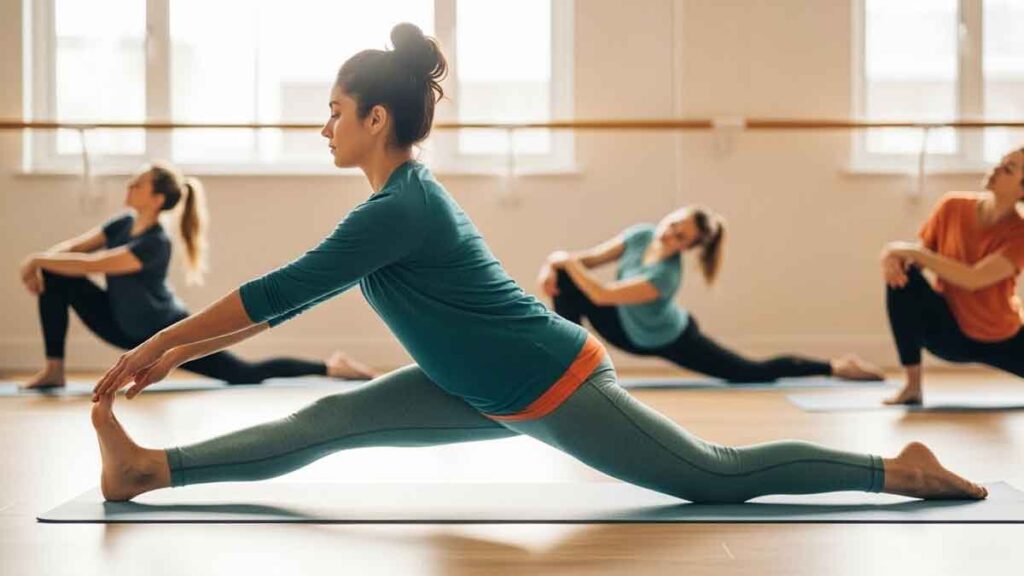
Understanding the Splits
Before diving into the how-to, let’s clarify what we’re working toward. Splits aren’t just a party trick; they’re a testament to balanced flexibility across your lower body. Knowing the anatomy helps you target efforts effectively and spot imbalances early.
Types of Splits
There are two primary variations: front splits and side splits. Front splits involve one leg extended forward and the other backward, demanding openness in the hips and hamstrings. This is common in yoga (think Hanumanasana) and martial arts. Side splits, or straddle splits, require your legs to spread wide to the sides, emphasizing inner thigh and hip mobility. It’s a staple in dance and gymnastics.
Most beginners start with front splits because they align more naturally with everyday movements like lunging. However, incorporating both builds comprehensive lower-body freedom. Aim to work toward both over time, but prioritize the one that feels most accessible.
Key Muscle Groups Involved
Splits engage a network of muscles and connective tissues. The hamstrings (back of the thighs) and hip flexors (front of the hips) are stars in front splits, while adductors (inner thighs) and abductors (outer hips) shine in side splits. Your quadriceps, glutes, and even calves play supporting roles by stabilizing the pose.
Tight hip flexors from desk jobs or running can block progress, so balanced training is crucial. Imbalances, like overly strong quads without flexible hamstrings, increase injury risk. A good prep routine addresses all areas to create harmony.
Preparing Your Body: Warm-Up Essentials
Never skip the warm-up; it’s your insurance against pulls. Cold muscles are like stiff rubber bands, prone to snapping. A proper warm-up increases blood flow, lubricates joints, and preps neural pathways for deeper stretches.
Start with 5-10 minutes of light cardio: marching in place, gentle jumping jacks, or cycling on a stationary bike. Follow with joint mobilizations: circle your ankles, knees, and hips 10 times each direction. This awakens your lower body without fatigue.
For a splits-specific warm-up, try cat-cow poses on all fours (10 rounds) to loosen the spine and hips, then add 20 bodyweight squats to fire up your legs. Time this routine before every session to set a safe foundation. Consistency here pays off by making subsequent stretches more effective and less painful.
Essential Stretches for Splits Prep
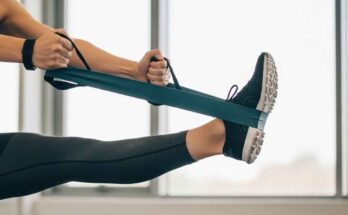
Static stretches held for 20-60 seconds per side build length in tight tissues. Focus on breath: inhale to lengthen, exhale to deepen. Hold each without bouncing, and use props like blocks or straps if needed. Perform these 3-4 times weekly, post-warm-up.
Hamstring Stretches
Hamstrings often harbor tension from sitting, so prioritize these for front splits.
- Seated Forward Fold: Sit with legs extended, feet flexed. Hinge at your hips to fold forward, reaching for your shins or a strap around your feet. Keep your back straight initially, then round slightly as you ease in. Hold 30-45 seconds, breathing deeply. Modification: Bend one knee and draw the foot in for a gentler pull.
- Standing Pyramid Pose: Step one foot back into a lunge, front knee soft. Fold over the front leg, placing hands on the shin or floor. Press your back heel down to intensify the hamstring stretch. Switch sides after 20 seconds. This mimics front split alignment.
Repeat 2-3 times per side. Over weeks, you’ll notice easier reaches.
Hip Flexor and Quad Stretches
These counteract forward slouching, opening the front body for backward leg extension.
- Low Lunge Stretch: From a lunge position, drop the back knee to the mat. Tilt your pelvis under and shift hips forward until you feel a gentle pull in the front hip. Arms overhead amplify the stretch. Hold 30 seconds per side.
- Couch Stretch: Face away from a wall or couch, placing one foot against it with knee bent 90 degrees. Step the other foot forward into a lunge. Squeeze your glute to deepen the hip flexor release. 20-40 seconds each side. It’s intense, so ease in.
These stretches improve stride length and reduce lower back strain.
Adductor (Inner Thigh) Stretches
Crucial for side splits, these target the often-neglected inner legs.
- Butterfly Pose: Sit with soles of feet together, knees wide. Gently press knees toward the floor with elbows or hands. Fold forward for added depth. Hold 45 seconds, rocking side to side for even release.
- Wide-Legged Forward Fold: Stand with feet wider than shoulders, toes slightly in. Hinge at hips to fold forward, letting gravity assist. Hands can walk between feet. 30 seconds, then walk hands to one side for 15 more.
Breathe into the stretch; it should feel opening, not sharp.
Hip Opener Stretches
Hips are the gatekeepers of splits, so dedicate time here.
- Pigeon Pose: From all fours, slide one shin across the mat, extending the other leg back. Square your hips and fold forward over the bent leg. Hold 45-60 seconds, using a blanket under the hip if elevated. This hits multiple angles.
- Frog Pose: On all fours, widen knees as far as comfortable, shins parallel to hips. Lower to forearms and rock gently. 30 seconds to start, building tolerance.
Incorporate these to foster hip rotation, essential for both split types.
Mobility Drills to Build Range of Motion
While stretches lengthen, mobility drills add fluidity through active movement. These dynamic exercises train your body to control new ranges, reducing injury risk during transitions. Do them 2-3 times weekly, 8-12 reps per side.
Dynamic Leg Swings
Great for warming hips and hamstrings dynamically.
Stand tall, holding a wall for balance. Swing one leg forward and back like a pendulum, starting small and increasing height. Keep your core engaged to avoid arching. Progress to side-to-side swings for adductor work. This builds control for front and side splits.
Lizard Pose Flows
Enhance hip and groin mobility with this yoga-inspired sequence.
From a low lunge, place elbows inside the front foot. Alternate between sinking hips low and lifting the chest, flowing 10 times. Add a twist by reaching one arm up. It mimics split descent, teaching safe depth.
Cossack Squats
Perfect for side splits, this drill strengthens and stretches in one go.
Stand with feet wide. Shift weight to one side, bending that knee while keeping the other leg straight, foot flexed. Lower into a squat, then pulse or hold for 3 breaths. Alternate sides. It targets adductors dynamically, improving lateral movement.
These drills turn passive flexibility into active prowess, making splits feel natural.
Creating a Safe Progression Plan
Progression keeps motivation high and bodies safe. Start with 15-20 minute sessions, 3 days a week, alternating stretch and drill focus. Week 1-2: Emphasize basics, holding stretches 20 seconds. Week 3-4: Increase to 30-45 seconds, add one new drill.
Track in a journal: Note ease on a 1-10 scale per stretch. Every 4 weeks, test your split depth against a wall or mirror. If pain arises (beyond mild discomfort), rest 2-3 days and consult a professional.
Sample Weekly Routine:
- Monday: Warm-up + Hamstring/Hip Flexor stretches + Leg Swings
- Wednesday: Warm-up + Adductor/Hip stretches + Lizard Flows
- Friday: Warm-up + Full stretch circuit + Cossack Squats
- Weekend: Active recovery, like walking or light yoga.
Hydrate well and fuel with anti-inflammatory foods like berries and nuts. Patience is your ally; most see measurable gains in 4-8 weeks.
Common Pitfalls and How to Avoid Them
Enthusiasm can lead to errors. Forcing depth causes micro-tears, so listen to your body: Sharp pain means stop. Another trap is neglecting strength; pure flexibility without stability invites wobbles. Balance with core work like planks.
Uneven progress? One side tighter? Dedicate extra reps there. And remember, age or prior injuries matter. If you’re over 40 or recovering, shorten holds and add more mobility drills. Consistency trumps intensity every time.
Recovery and Self-Care
Post-session care seals the deal. Foam roll gently (avoid over-rolling joints), then apply heat or a warm bath to soothe. Epsom salt soaks aid muscle relaxation. Sleep 7-9 hours; it’s when tissues repair.
Incorporate rest days to prevent burnout. If soreness lingers, try contrast showers: 30 seconds hot, 30 cold, for circulation. Nutrition-wise, protein rebuilds, omega-3s reduce inflammation. This holistic view ensures long-term success.
Conclusion
Embarking on splits prep is a journey of discovery, revealing what your body can achieve with respect and routine. By weaving in targeted stretches like seated folds and pigeon, paired with drills such as cossack squats, you’ll cultivate the mobility needed to sink into splits safely. Celebrate small wins, stay consistent, and soon that full expression will be yours. Your future self, more agile and confident, thanks you for starting today.
FAQ
How long does it take to achieve splits?
It varies by starting flexibility, age, and consistency. Beginners might need 3-6 months with 3 weekly sessions; athletes could see results in 4-8 weeks. Track progress weekly, not daily.
Can I do splits prep every day?
Daily is fine for short sessions (10-15 minutes) focusing on mobility drills, but allow 48 hours between intense static stretches for recovery. Listen to fatigue cues.
What if I feel pain during stretches?
Mild discomfort is normal, but sharp or pinching pain signals stop. Modify with props or shorten holds. Persistent issues? See a physical therapist for personalized tweaks.
Are splits safe for everyone?
Most can benefit with modifications, but those with hip replacements, sciatica, or acute injuries should consult a doctor first. Pregnant individuals: Opt for gentler openers and avoid deep folds.
Do I need equipment for these exercises?
Minimal: A yoga mat, strap, and blocks enhance comfort. Walls or sturdy chairs work for support. Start bodyweight-only to build basics.

Как [url=https://kapsulnyj-dom-1.ru]капсульный дом[/url] выдерживает российский климат с морозами и снеговой нагрузкой?
Помогает ли [url=https://vpn-1.ru]ВПН[/url] при работе с криптовалютными биржами?
Какой протокол [url=https://vpn-1.ru]vpn[/url] — WireGuard или OpenVPN — быстрее?
Как [url=https://marketingovoe-agentstvo-1.ru]маркетинговое агентство[/url] должно отчитываться перед клиентом — какой формат оптимален?
Какие [url=https://domashnie-zhivotnye-1.ru]домашние животные[/url] живут дольше при наличии пары?
[url=https://prodvizhenie-sajta-s-garantiej.ru]Продвижение сайта с гарантией[/url] — что именно гарантируется: позиции, трафик или лиды?