Struggling to drift off at night? You’re not alone. In a world buzzing with endless notifications and packed schedules, insomnia sneaks in like an unwelcome guest, leaving you tossing and turning until the wee hours. But what if the key to reclaiming your restful nights was as simple as a few gentle stretches and deep breaths? Enter bedtime yoga: a natural, screen-free ritual that calms your nervous system, quiets racing thoughts, and primes your body for deep, restorative sleep.
This guide isn’t just another list of poses. It’s a complete, step-by-step sequence designed specifically for evenings, drawing on yoga’s ancient wisdom to address the root causes of sleeplessness. Whether you’re a total beginner or a seasoned yogi looking to refine your wind-down routine, you’ll find actionable steps here to make a real difference. By the end, you’ll have a 20- to 30-minute practice that’s easy to weave into your nightly habits, plus tips to amplify its effects. Let’s roll out that mat and say goodbye to those midnight wake-ups.
Why Yoga is Your Natural Ally Against Insomnia
Insomnia isn’t just about counting sheep; it’s a symphony of tension, stress hormones, and an overactive mind replaying the day’s drama. According to sleep experts, about 30% of adults grapple with it regularly, often turning to pills or apps that offer quick fixes but little long-term relief. Yoga flips the script by targeting both the body and mind holistically.
At its core, yoga activates the parasympathetic nervous system, your body’s “rest and digest” mode. Poses that involve forward folds and gentle inversions release stored tension in the hips and spine, where we hold onto emotional stress. Twists detoxify the organs, promoting better digestion a key factor in quality sleep. And the breathwork? It lowers cortisol levels, that sneaky stress hormone that keeps you wired.
Research backs this up: Studies from institutions like Harvard Medical School show that consistent yoga practice can reduce insomnia symptoms by up to 50%, improving sleep onset time and duration. The beauty is in its accessibility no gym membership or fancy gear required. Just 15 to 20 minutes before bed can shift your internal clock, signaling to your brain that it’s time to unwind. If you’ve ever woken up feeling like you barely slept, this sequence could be the gentle nudge your body craves.
Setting the Stage for Success: Pre-Yoga Prep
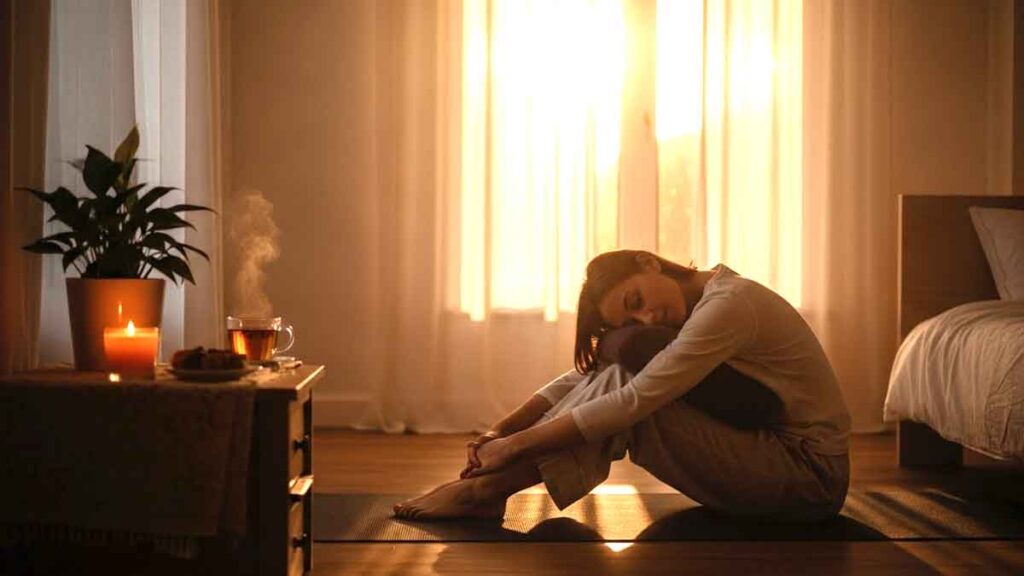
Before diving into the poses, create an environment that supports surrender. Your bedroom should feel like a sanctuary, not a battlefield of laundry piles and charging cables. Dim the lights to mimic sunset, perhaps with a Himalayan salt lamp or string of fairy lights. Choose a quiet space where the floor is clear; if your bed is your only flat surface, slide to the floor for stability.
Wear loose, breathable clothing think soft cotton pajamas that won’t bind during twists. Skip heavy meals two hours before practice to avoid digestive discomfort, and opt for a warm herbal tea like chamomile to ease into relaxation mode. Time it right: Aim for 30 to 60 minutes before your ideal bedtime, giving your body time to cool down post-practice.
Pro tip for beginners: Prop up with pillows or a folded blanket under your knees or head for extra comfort. Hydrate lightly earlier in the evening, but not right before, to minimize nighttime trips to the bathroom. With these basics in place, you’re ready to flow into the sequence. Remember, this isn’t about perfection; it’s about presence. Move slowly, breathe deeply, and let go of any pressure to “nail” the poses.
The Ultimate Bedtime Yoga Sequence: A 20-Minute Flow for Deep Sleep
This sequence is restorative by design, blending gentle stretches, inversions, and grounding holds to release the day’s buildup. It starts seated for mental focus, transitions to floor work for physical ease, and ends in surrender. Hold each pose for 5 to 10 breaths (about 30 to 60 seconds), unless noted otherwise. Use a timer if it helps, but keep it soft and distant. Total time: 20 minutes. Listen to your body if a pose feels off, modify with props.
Balasana (Child’s Pose): The Welcoming Hug
Begin on your knees, big toes touching, knees wide apart. Fold forward, arms extended or resting by your sides, forehead gently kissing the mat. Let your belly soften between your thighs, surrendering weight to the earth. This pose instantly calms the mind, stretching the back and hips while encouraging introspection.
Why it fights insomnia: It activates the third eye chakra, linked to intuition and calm, reducing mental chatter. Feel the release in your lower back, where tension from sitting all day hides. Breathe here for 10 slow breaths, inhaling peace, exhaling worry. Transition by sitting back on your heels.
Marjaryasana-Bitilasana (Cat-Cow Flow): Spinal Awakening
Come to all fours, hands under shoulders, knees under hips. Inhale into Cow: Drop your belly, lift your chest and tailbone, gaze upward. Exhale into Cat: Round your spine, tuck chin to chest, draw navel in. Flow between them for 5 to 8 rounds.
This dynamic duo lubricates the spine, easing stiffness that disrupts sleep. It massages the digestive tract too, preventing that bloated feeling that keeps you awake. Notice how each breath massages your ribcage, inviting fuller lungs and a steadier heartbeat. End in neutral tabletop, pausing to feel the subtle warmth building.
Paschimottanasana Variation (Seated Forward Fold): Forward Surrender
Sit with legs extended, feet flexed. Inhale to lengthen your spine, then exhale folding forward from the hips, hands resting on shins or the floor. If hamstrings protest, bend knees generously or loop a strap around your feet.
A staple for bedtime, this pose calms the nervous system by stimulating the spine’s forward channels. It also quiets the heart center, helping process emotions that bubble up at night. Hold for 8 breaths, using each exhale to fold a bit deeper symbolically releasing grudges or to-dos. Roll up vertebra by vertebra to sit tall.
Viparita Karani (Legs-Up-the-Wall Pose): Inverted Bliss
Scoot your hips to a wall, lie back, and swing legs up, forming an L-shape. Let arms rest by your sides, palms up. Close your eyes and breathe normally for 3 to 5 minutes.
Often called the “insomnia eraser,” this gentle inversion drains lymph and boosts circulation without strain. It soothes swollen feet from the day and signals the brain to produce melatonin, your sleep hormone. If the wall feels too intense, use a bolster under your hips. Drift here, imagining worries pooling at your feet and flowing away.
Supta Matsyendrasana (Supine Spinal Twist): Inner Detox
From legs up, lower legs to the floor and hug one knee to your chest. Guide it across your body to the opposite side, extending the other arm wide. Gaze over your shoulder, keeping shoulders grounded.
Twists like this wring out the spine and organs, flushing toxins that can cause restlessness. It balances the left and right brain hemispheres, harmonizing thoughts for clearer dreams. Hold each side for 5 breaths, then switch. Feel the subtle opening in your mid-back, a common insomnia hotspot.
Setu Bandhasana Variation (Supported Bridge Pose): Heart Opener
Bend knees, feet hip-width, and lift hips slightly, sliding a block or pillow underneath for support. Arms alongside, palms down. Rest here for 8 breaths.
This mild backbend counters forward slouching from desk work, opening the chest to release emotional tightness. It stimulates the thyroid, regulating hormones for stable sleep cycles. Keep it restorative: No high lift, just gentle elevation. Lower slowly, hugging knees to chest.
Ananda Balasana (Happy Baby Pose): Playful Release
Rock onto your back, grab outer feet, and draw knees toward armpits. Flex feet, gently rock side to side if it feels good.
Channel your inner child here this pose massages the sacrum and inner thighs, releasing pelvic tension tied to stress. It also stimulates the vagus nerve, promoting that “ahh” parasympathetic shift. Wiggle for 5 breaths, then release and stretch legs long.
Savasana (Corpse Pose): Total Surrender
Lie flat, arms and legs relaxed, palms open. Scan from toes to crown, softening every muscle. Stay for 5 minutes, or until sleep beckons.
The grand finale, Savasana integrates the practice, allowing your mind to empty like a blank canvas. It’s where magic happens: Beta waves slow to alpha, edging into theta for easy sleep entry. If thoughts intrude, return to breath without judgment. When ready, roll to one side in fetal position, pausing before sitting up.
Breathing Techniques to Supercharge Your Sequence
Yoga isn’t just poses; breath is the thread. Weave in these pranayama practices to deepen relaxation.
Start with Ujjayi breath throughout: A soft throat constriction on exhales, like fogging a mirror. It anchors focus, reducing mind-wandering.
In Legs-Up-the-Wall, try 4-7-8 breathing: Inhale for 4 counts, hold 7, exhale 8. Developed by Dr. Andrew Weil, it soothes the fight-or-flight response, proven to lower heart rate in minutes.
For twists, add Dirga (three-part) breath: Fill belly, ribs, then chest on inhale; empty in reverse on exhale. This full-lung engagement oxygenates tissues, combating fatigue-induced insomnia.
Practice daily, even sans poses, for cumulative benefits. Over time, you’ll notice quicker sleep onset and fewer awakenings.
Beyond the Mat: Holistic Habits to Seal the Deal
Yoga shines brightest with supportive lifestyle tweaks. Wind down screens an hour before bed; blue light suppresses melatonin. Journal for 5 minutes post-Savasana to offload thoughts.
In the kitchen, favor sleep-friendly foods: Tart cherries for natural melatonin, almonds for magnesium. Avoid caffeine after noon it lingers longer than you think.
Track your sleep with a simple app or notebook, noting how the sequence impacts your rest. Consistency is key: Aim for 5 nights a week, adjusting as needed. If insomnia persists, consult a doctor to rule out underlying issues.
Wrapping Up: Embrace the Night You Deserve
You’ve got the tools now: A nourishing sequence, breath anchors, and mindful prep to transform bedtime from battleground to bliss. Insomnia doesn’t stand a chance against this gentle rebellion. Start tonight, even if it’s just Child’s Pose and a few deep breaths. Your future self, waking refreshed and ready, will thank you.
Sweet dreams aren’t a luxury; they’re essential. Roll out that mat, breathe into the now, and let yoga guide you home to sleep.
FAQ: Your Bedtime Yoga Questions Answered
How often should I practice this sequence to see results?
For noticeable improvements, commit to 4-5 evenings per week. Many report better sleep within a week, but full benefits like reduced wake-ups emerge after 2-3 weeks of consistency.
I’m new to yoga what if I can’t do all the poses?
Modifications are your friend! Use props like pillows for support, and shorten holds to 3 breaths. Focus on sensation over form; the goal is relaxation, not flexibility feats.
Can this help with anxiety-driven insomnia?
Absolutely. The forward folds and twists target the vagus nerve, dampening anxiety’s grip. Pair with journaling to process worries, enhancing the mind-body calm.
What time of day is best if bedtime feels too late?
Any evening works, but 7-9 PM aligns with your circadian dip. If mornings suit better for energy, adapt it then; just avoid stimulating poses like sun salutations.
Is this safe during pregnancy or with injuries?
Most poses are gentle, but consult your doctor or a prenatal instructor. Skip inversions if high-risk, and use extra props for back issues. Always honor your body’s signals.