Imagine starting your day not with the frantic rush of emails and coffee, but with a gentle wave of calm energy that sharpens your mind and invigorates your body. In a world that demands constant productivity, finding that balance can feel elusive. That’s where a quick morning yoga routine comes in. This 15-minute practice is designed specifically to boost your energy levels and enhance your focus, setting a positive tone for whatever lies ahead. Whether you are a busy professional, a parent juggling schedules, or someone simply seeking a more centered start to the day, this routine offers a simple, accessible way to harness the transformative power of yoga.
Yoga is more than just physical exercise; it is a holistic practice that connects breath, movement, and intention. By incorporating it into your morning, you can reduce stress hormones like cortisol, increase blood flow to the brain for better concentration, and release endorphins for a natural energy lift. Studies from institutions like Harvard Medical School highlight how even short sessions of yoga can improve cognitive function and mood. But you do not need to be a yogi to benefit. This routine is beginner-friendly, requiring no equipment beyond your body and a quiet corner. Over the next sections, we will explore why it works, how to prepare, the step-by-step poses, and tips to make it a habit. By the end, you will have everything you need to roll out your mat and feel the difference.
Why a 15-Minute Morning Yoga Routine Boosts Energy and Focus
Mornings are prime time for yoga because your body is naturally primed for movement after a night’s rest. Sleep repairs tissues and restores energy reserves, but without intentional activation, that potential stays dormant. A short yoga flow awakens your nervous system gently, unlike the jolt of caffeine, which can lead to crashes later. Instead, yoga stimulates the parasympathetic nervous system, promoting a state of alert relaxation that sustains focus throughout the day.
The Science Behind the Surge
From a physiological standpoint, yoga poses that involve gentle twists, forward bends, and inversions enhance circulation. This delivers oxygen-rich blood to your muscles and brain, combating morning grogginess. Research published in the Journal of Alternative and Complementary Medicine shows that regular yoga practice can increase gamma-aminobutyric acid (GABA) levels in the brain, a neurotransmitter linked to reduced anxiety and improved attention.
On the energy front, dynamic movements paired with deep breathing activate the mitochondria in your cells, the powerhouses that produce ATP for vitality. Focus improves as yoga trains the mind to stay present, a skill transferable to tasks like reading reports or creative brainstorming. Over time, this routine can rewire neural pathways, making it easier to enter a flow state during work. Common questions arise here: Does it replace coffee? Not necessarily, but it complements it by providing steady energy without jitters. And for those wondering about time constraints, 15 minutes is enough to spark noticeable shifts, as evidenced by participants in mindfulness studies who reported heightened clarity after brief sessions.
Tailored Benefits for Your Day
Energy from this routine feels different: it is rooted rather than rushed. You might notice quicker decision-making in meetings or sustained motivation for afternoon projects. For focus, the intentional breathwork acts as a mental reset, clearing the fog of overnight worries. If you struggle with procrastination or midday slumps, this practice addresses root causes like shallow breathing or stiff posture, which sap mental resources.
Preparing for Your Morning Yoga Session
Success starts with setup. You do not need a fancy studio; a small, clutter-free space in your bedroom or living room works perfectly. Roll out a yoga mat if you have one, or use a soft carpet to cushion your joints. Face a window for natural light, which signals your circadian rhythm to wake up fully.
What to Wear and Eat
Opt for comfortable, breathable clothes like leggings and a loose top that allow free movement. Avoid anything restrictive around the waist or neck. As for fueling up, have a light snack 30 minutes before if you are hungry, such as a banana or handful of nuts, to stabilize blood sugar without heaviness. Hydrate with a glass of water upon waking to flush toxins and support joint mobility.
Setting the Right Mindset
Before beginning, spend 30 seconds in stillness. Sit cross-legged or stand tall, close your eyes, and set an intention: “I invite energy and clarity into my day.” This simple anchor quiets the inner critic and aligns your practice with purpose. If mornings feel chaotic, prepare the night before by laying out your mat. Consistency builds from ease, so forgive off days and celebrate small wins.
The Step-by-Step 15-Minute Routine
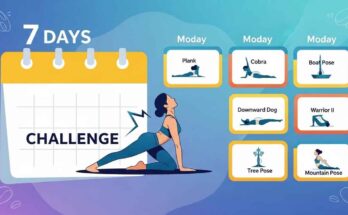
This sequence flows seamlessly, blending standing poses for energy with seated ones for focus. Hold each pose for the suggested time, moving with your breath: inhale to lengthen, exhale to deepen. Total time: five minutes warm-up, eight minutes flow, two minutes cool-down. Breathe through your nose steadily, aiming for four counts in and out.
Minutes 1-5: Warm-Up with Breath and Gentle Movement
Start in Mountain Pose (Tadasana). Stand with feet hip-width apart, arms at your sides, palms forward. Ground your feet, roll your shoulders back, and lift through the crown of your head. Inhale deeply, raising arms overhead into Extended Mountain, then exhale to fold forward into Standing Forward Bend (Uttanasana). Let your head hang heavy, knees soft. This releases spinal tension and floods the brain with fresh oxygen.
Alternate between these for two minutes, syncing breath to build heat. Transition to Cat-Cow Pose on all fours: Inhale to arch your back (Cow), gaze up; exhale to round it (Cat), tuck chin. Flow for 10 breaths. This warms the spine, easing stiffness and priming focus by massaging digestive organs for better nutrient absorption.
Minutes 6-10: Energizing Standing Flow
Rise to Warrior I (Virabhadrasana I). Step right foot forward into a lunge, left heel down, bend front knee over ankle. Raise arms overhead, palms facing, and square hips forward. Hold 30 seconds per side, feeling the stretch in hips and chest open energy channels. This pose builds stamina, targeting legs for grounded power and shoulders for expansive thinking.
Flow into Warrior II (Virabhadrasana II): Open hips to the left, extend arms parallel to the floor, gaze over front hand. The strength here translates to mental resilience, helping you hold steady amid distractions. Alternate sides, then add a twist: From Warrior II, place right hand on left thigh, left arm skyward into Extended Side Angle prep. This detoxifies through rotation, clearing mental clutter.
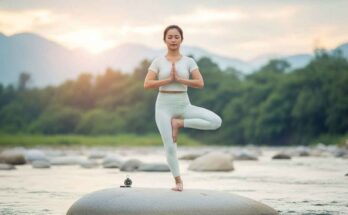
For variety and deeper focus, incorporate Tree Pose (Vrksasana). Balance on left foot, place right foot on inner left thigh, hands at heart. Gaze at a fixed point. Hold 20 seconds per side. Balancing acts sharpen concentration, training the brain’s prefrontal cortex much like meditation.
Minutes 11-13: Seated Focus Builders
Sit in Easy Pose (Sukhasana), cross-legged with hands on knees. Close eyes and practice Alternate Nostril Breathing (Nadi Shodhana): Close right nostril with thumb, inhale left; close left with ring finger, exhale right. Inhale right, exhale left. Do five rounds. This balances brain hemispheres, enhancing logical and creative focus.
Follow with Seated Forward Bend (Paschimottanasana): Extend legs, fold forward from hips, reaching for feet. Hold 45 seconds, using a strap if hamstrings are tight. This calms the mind, reducing overthinking for clearer priorities.
Minutes 14-15: Cool-Down and Intention
End in Child’s Pose (Balasana): Knees wide, big toes touching, forehead to mat, arms extended. Rest here for one minute, surrendering the practice. Rise to sit for Savasana lite: Lie back, palms up, scan body for tension release. Whisper your intention aloud. This integrates the energy, leaving you refreshed.
Tips for Making This Routine a Daily Habit
To maximize value, listen to your body. If a pose pinches, modify: Use a block under hands in forward bends or wall support in Warriors. Common pitfalls include rushing transitions, which disrupts flow, or holding breath under strain, which builds tension. Instead, prioritize ujjayi breath a soft throat constriction on exhales for rhythmic calm.
Track progress in a journal: Note pre- and post-practice energy on a 1-10 scale. Pair with a reward, like your favorite playlist during the flow. For beginners asking, “What if I am not flexible?” Remember, flexibility comes from practice; start slow. Advanced users can add sun salutations for intensity. Hydrate post-session and eat a balanced breakfast to sustain gains.
If focus wanes mid-day, revisit a single pose like Tree during breaks. Over weeks, you may sleep better, as evening wind-downs echo morning calm. Address doubts head-on: Yes, it works for all ages, with chair adaptations for mobility issues.
Conclusion: Ignite Your Mornings with Intention
This 15-minute yoga routine is more than movements; it is an investment in your most valuable resource: your attention and vitality. By weaving breath and pose into your dawn, you cultivate a reservoir of energy that spills into every interaction. Start tomorrow, even if imperfectly. The clarity and spark you gain will affirm the effort. Embrace this as your quiet revolution, one sunrise at a time.
FAQ
Can I do this routine if I am a complete beginner?
Absolutely. Each pose includes modifications, and the flow is gentle. Focus on breath over perfection; with consistency, form improves naturally.
How soon will I notice improvements in energy and focus?
Many feel a lift after the first session, but sustained benefits emerge in 7-10 days. Track mood and productivity to see patterns.
What if I only have 10 minutes some days?
Shorten holds to 20 seconds and skip one standing pose. The breathwork alone delivers focus benefits.
Is this suitable for people with back pain?
Yes, with caveats. Avoid deep folds if acute; opt for supported versions. Consult a doctor for chronic issues, and emphasize core engagement.
Can I combine this with other morning habits?
Pair it with journaling or a walk for synergy. Just allow 5 minutes buffer to transition mindfully.
Do I need any props?
A mat is ideal but optional. Blocks or straps enhance accessibility if available.