
Starting a yoga practice can feel like stepping into a world of calm and challenge all at once. As a new practitioner, you might wonder about the basics: what poses to try first, how to breathe properly, or even where to begin. But one piece of gear often overlooked in the excitement is the humble yoga mat. It is not just a surface to stand on; it is your foundation, your buffer against discomfort, and your secret weapon for building confidence in every session. If you are rolling out a towel on the living room floor or practicing barefoot on carpet, you are missing out on the full benefits that a dedicated mat provides. In this article, we will explore why investing in a quality yoga mat is non-negotiable for beginners, how to select one that fits your needs, and practical tips to make it last. By the end, you will see it as the essential ally it truly is.
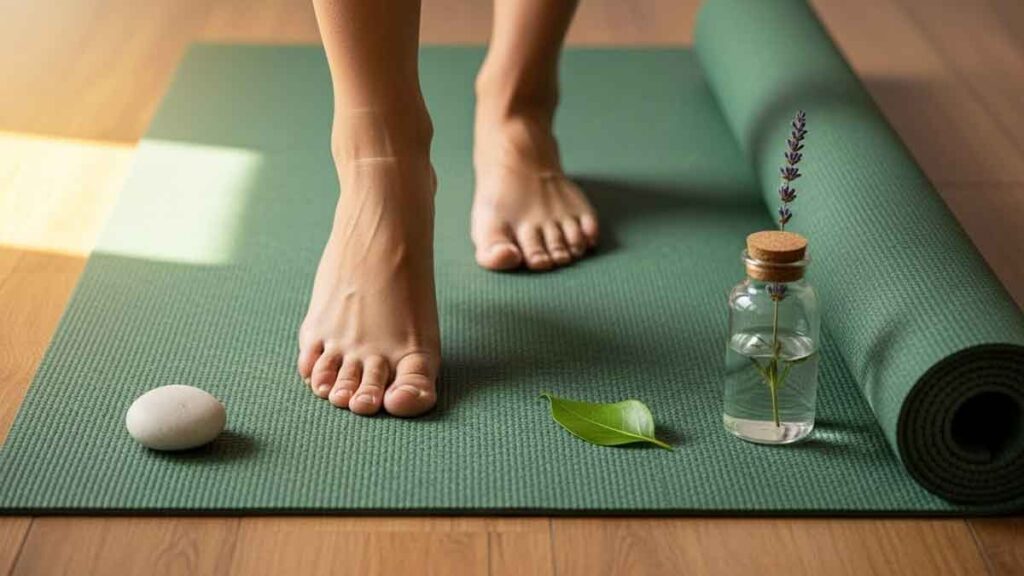
Understanding the Role of a Yoga Mat in Your Practice
Yoga mats have evolved far beyond their origins as simple rolled-up pieces of rubber. Today, they are engineered to support everything from gentle restorative flows to intense power vinyasas. For new practitioners, the mat serves multiple roles that directly impact your experience.
First, consider alignment. When you hold a pose like downward-facing dog, your hands and feet need a stable base. Without a mat, hardwood floors can be unforgivingly slippery, leading to wobbles or slips that throw off your focus and form. A good mat provides just enough traction to keep you grounded without feeling sticky in a distracting way. This stability allows you to concentrate on breath and body awareness, two pillars of yoga that beginners often struggle with.
Beyond grip, comfort is key. Yoga involves prolonged contact with the ground: knees in child’s pose, hips in warrior lunges, or the full weight of your body in savasana. Thin carpets or bare floors offer no cushioning, which can lead to joint strain or distractions from aches. A mat with the right thickness absorbs impact, making longer holds more tolerable and reducing the risk of minor injuries as you build strength and flexibility.
Portability rounds out the essentials. If you plan to practice at home, in a park, or join a studio class, a lightweight, rollable mat makes it easy to transport. No more fumbling with bulky setups; just unroll and go. This convenience encourages consistency, which is crucial for beginners. Studies from yoga research organizations, like the International Journal of Yoga, highlight that regular practice starts with removing barriers, and a reliable mat does just that.
In short, a yoga mat is not a luxury item. It transforms a casual stretch session into a purposeful practice, setting the stage for growth.
Key Benefits Tailored for Beginners
Diving deeper, let us break down the specific advantages that make a yoga mat indispensable for those just starting out. These perks address the most common hurdles new yogis face, from motivation dips to physical discomfort.
Enhanced Grip and Safety
Safety comes first, especially when your body is learning new movements. Mats with textured surfaces, often made from natural rubber or PVC, prevent slips even if you work up a light sweat. For instance, during tree pose, where balance is everything, a grippy mat keeps your foot from sliding off your thigh. Beginners often overestimate their stability, leading to awkward falls. A mat minimizes this, building trust in your practice.
Actionable tip: Test grip by pressing your palms and soles against the mat while dampening them slightly. If it holds without sliding, it is a winner.
Superior Comfort and Joint Protection
New to yoga? Your knees, wrists, and elbows might protest against hard surfaces. A mat with at least 4mm thickness provides cushioning that distributes pressure evenly. This is particularly helpful in poses like plank, where your joints bear your full body weight. Over time, this protection allows you to progress without nagging soreness derailing your routine.
For restorative yoga, a thicker mat (6mm or more) feels like a soft hug, inviting deeper relaxation. Beginners report feeling more “held” on a mat, which psychologically eases the intimidation of vulnerability in poses.
Hygiene and Personal Space
Sharing a studio mat exposes you to germs, a valid concern for newcomers. Your own mat creates a clean, personal zone, reducing anxiety about hygiene. Plus, in group classes, it delineates your space, preventing toes from encroaching during crowded sessions.
Pro tip: Opt for mats with antimicrobial properties if you sweat profusely. These use silver ions or essential oils to naturally inhibit bacteria growth.
Motivation Through Aesthetics and Ritual
Do not underestimate the psychological boost. A mat in your favorite color or pattern turns practice into a ritual. Seeing it rolled out in your space signals “it is time to move,” combating procrastination. For beginners, this visual cue can mean the difference between skipping a session and flowing through sun salutations.
Pitfalls of Practicing Without a Dedicated Mat
To appreciate the necessity, consider what happens when you skip the mat. Many new practitioners improvise with household items, only to encounter frustrations that stall their progress.
Carpet might seem soft, but it lacks the uniform grip of a mat, causing uneven traction that confuses your muscles. Towels bunch up mid-pose, and bare floors amplify every joint twinge. One common story from yoga forums involves beginners quitting after a week because “it just hurt too much,” often tracing back to inadequate support.
Without a mat, alignment suffers too. Poses like bridge or wheel require precise foot placement, which slips on smooth surfaces. This leads to compensatory habits, like arching the back incorrectly, that are hard to unlearn later.
Environmentally, practicing outdoors without a mat means dirt and grass stains on clothes or skin irritation from uneven terrain. A mat creates a consistent, clean platform anywhere.
The lesson? Improvising works for a trial run, but for sustained practice, a mat prevents these roadblocks, keeping you engaged and injury-free.
Choosing Your First Yoga Mat: A Step-by-Step Guide
Selecting a mat can feel overwhelming with endless options online. As a beginner, focus on functionality over flash. Here is a detailed walkthrough to ensure you pick wisely.
Assess Material Options
Materials dictate durability, eco-friendliness, and feel.
- PVC (Polyvinyl Chloride): Affordable and widely available, PVC mats are lightweight and grippy. Ideal for studio use, but they can off-gas odors initially. Best for budgets under $30.
- Natural Rubber: Harvested from trees, these offer superior traction and are biodegradable. They suit eco-conscious beginners but may cause allergies due to latex traces. Expect to pay $40-60.
- TPE (Thermoplastic Elastomer): A middle ground, TPE is recyclable, odor-free, and cushy. Great for home practice at $30-50.
- Cork or Jute: Trendy for hot yoga, these wick moisture naturally. They are pricier ($50+) but antimicrobial.
Actionable advice: If you are allergy-prone, stick to synthetic options. For sustainability, prioritize natural fibers.
Thickness and Size Considerations
Thickness matters for comfort: 4-6mm for versatile use, 6mm+ for restorative. Too thick (over 8mm) hinders balance in standing poses.
Standard size is 68×24 inches, fitting most adults. If you are taller than 6 feet or broader, go for 72×26 inches. Petite practitioners might prefer 62×20 for portability.
Test in-store if possible: Lie down to check if it feels supportive yet stable.
Budget and Brand Essentials
Start with $20-50; quality entry-level mats from brands like Gaiam or Manduka last years. Read reviews for longevity, not just aesthetics.
Look for non-slip edges and alignment lines printed on the surface. These guide pose placement, a boon for beginners learning warrior or triangle.
Final tip: Buy from retailers with return policies. Your mat should feel right after a home trial session.
Caring for Your Yoga Mat to Ensure Longevity
A well-maintained mat stays grippy and fresh, extending its life beyond the average 1-2 years. Neglect leads to cracks or odor, forcing early replacement.
Daily Cleaning Routine
After each use, wipe with a damp cloth and mild soap like dish detergent diluted in water. For sweat-heavy sessions, use a yoga mat spray (vinegar-water mix with tea tree oil works too). Avoid harsh chemicals that degrade the surface.
Hang or air-dry flat to prevent mildew. Never machine-wash unless specified; it warps most mats.
Storage Best Practices
Roll it loosely with the top side out to avoid creases. Store in a breathable bag away from direct sun, which fades colors and hardens material. In humid climates, use silica packets to absorb moisture.
Deep clean monthly: Soak in a tub with baking soda and water for 30 minutes, then rinse thoroughly.
By following these steps, your mat becomes a lasting companion, adapting to your evolving practice.
Exploring Alternatives: When a Mat Might Not Be Necessary
While mats are essential, alternatives exist for specific scenarios. Thick blankets stacked for restorative poses offer customizable cushioning at home. Travel pillows or folded beach towels work for quick hotel sessions.
Outdoor enthusiasts might use grass directly for grounding feels, but a portable mat beats bugs and rocks.
However, for structured practice, nothing replaces a dedicated mat. Alternatives often lack grip or hygiene, so use them sparingly.
Embracing Your Mat as a Practice Partner
In the journey of yoga, your mat is more than gear; it is a silent teacher, offering stability amid the flux of learning. For new practitioners, it removes friction from the path, allowing you to focus on what matters: presence and progress. Invest in one thoughtfully, care for it diligently, and watch how it anchors your sessions. Whether unrolling it at dawn or dusk, it invites you back, session after session. Ready to start? Grab a mat, pick a simple sequence like three rounds of sun salutations, and let the practice unfold. Your body and mind will thank you.
Frequently Asked Questions
What is the best yoga mat for absolute beginners?
For starters, choose a PVC or TPE mat with 4-6mm thickness for balanced comfort and stability. Brands like Jade Harmony offer eco-friendly options around $40 that grip well without overwhelming cost.
How often should I replace my yoga mat?
Most mats last 1-3 years with regular use. Signs for replacement include loss of grip, cracks, or persistent odors. If it no longer feels supportive, it is time.
Can I use a yoga mat for other exercises?
Absolutely. Mats work great for Pilates, stretching, or light strength training. Their cushioning protects joints across workouts, but avoid high-impact cardio where they might shift.
Is a thicker mat better for bad knees?
Yes, 6mm or thicker provides extra padding for knee-sensitive poses. Pair it with props like blocks for added support during lunges or low squats.
Do I need a yoga mat if I practice in a studio?
Studios provide mats, but bringing your own ensures hygiene and familiarity. It also lets you use a preferred thickness, enhancing comfort in shared spaces.


[url=https://kapsulnyj-dom-1.ru]Капсульный дом[/url] для глэмпинга — насколько это выгодно как бизнес?
Влияет ли включённый [url=https://vpn-1.ru]VPN[/url] на расход батареи смартфона?
Чем отличается платный [url=https://vpn-1.ru]VPN[/url] от бесплатного?
[url=https://marketingovoe-agentstvo-1.ru]Маркетинговое агентство[/url] — когда имеет смысл его сменить, а когда стоит дать больше времени?
Как [url=https://domashnie-zhivotnye-1.ru]домашние животные[/url] ведут себя во время болезни хозяина?
Чем рискует исполнитель, предлагая [url=https://prodvizhenie-sajta-s-garantiej.ru]продвижение сайта с гарантией[/url]?