
Imagine finishing a tough workout, your muscles feeling tight and knotted from the effort. You drop into a forward fold, reaching for your toes, and wonder: how long should I stay here? Too short, and it might not make a difference. Too long, and you risk discomfort or even strain. If you’ve ever puzzled over this, you’re not alone. Stretching is a staple in fitness routines worldwide, yet the “how long” question trips up beginners and seasoned athletes alike.
In this guide, we’ll dive deep into the science of flexibility, unpacking research-backed insights on optimal stretch durations. We’ll explore why hold times matter, how to customize them for your goals, and practical steps to build a routine that boosts mobility without boredom or burnout. By the end, you’ll have clear, actionable strategies to make stretching a powerful ally in your wellness journey. Let’s stretch our minds first, then our bodies.
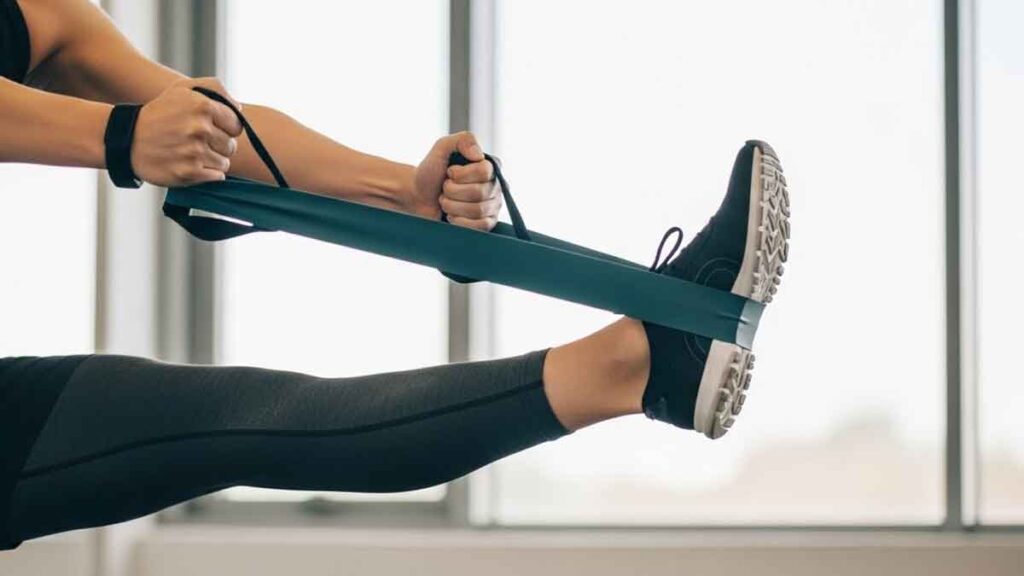
The Basics of Stretching and Flexibility
Before we get to the timers, it’s essential to understand what we’re working with. Flexibility isn’t just about touching your toes; it’s a foundation for movement, injury prevention, and even daily ease.
What Is Flexibility, Anyway?
Flexibility refers to the range of motion available at a joint or group of joints. It’s influenced by muscle length, tendon elasticity, joint structure, and even neural factors like how your nervous system signals “stop” to prevent overextension. Think of your body as a series of interconnected springs: flexible ones allow smooth, efficient motion, while stiff ones lead to compensations that strain other areas.
Improving flexibility enhances posture, reduces muscle soreness, and supports better athletic performance. Studies show that regular stretching can increase joint range by up to 20 percent over time, making everyday tasks like bending to tie your shoes feel effortless. But flexibility isn’t one-size-fits-all; it varies by age, genetics, and activity level. For instance, dancers prioritize it for artistry, while weightlifters focus on it to maintain power without tightness.
Different Types of Stretches Explained
Not all stretches are created equal, and the type you choose affects hold times. Here’s a quick breakdown:
- Static Stretching: The classic hold-and-breathe method, like pressing your heel into the ground in a hamstring stretch. Ideal for cool-downs, it lengthens muscles gradually.
- Dynamic Stretching: Active movements, such as leg swings or arm circles, that mimic your workout. These prep muscles for action without static holds.
- PNF Stretching: Proprioceptive Neuromuscular Facilitation involves contracting and relaxing the muscle (e.g., push against your leg, then deepen the stretch). It’s advanced but effective for quick gains.
- Ballistic Stretching: Bouncy motions, like rapid toe touches. Use cautiously, as it risks injury if not controlled.
Each type serves a purpose, but static stretches dominate discussions on hold duration because they’re accessible and research-heavy.
What Does Science Say About Stretch Duration?
Science doesn’t hand us a magic number, but patterns emerge from decades of studies. The key? Duration impacts how muscles and connective tissues adapt.
Short Holds vs. Long Holds: The Evidence
Research consistently points to 10 to 30 seconds as a sweet spot for most people during static stretches. The American College of Sports Medicine (ACSM) recommends holding for 10 to 30 seconds per stretch, repeating 2 to 4 times for a total of 60 seconds per muscle group. This builds tolerance without fatigue, allowing viscoelastic tissues (muscles and tendons) to creep longer over time.
Shorter holds (under 10 seconds) offer quick relief, like post-run loosening, but they don’t trigger deep adaptations. On the flip side, longer holds shine for specific needs. A study on older adults found 60-second holds more effective for maintaining range of motion than 30 seconds, as aging reduces tissue elasticity. Emerging research suggests cumulative time matters too: aiming for four minutes total per muscle in a session (via multiple 30-60 second holds) yields immediate flexibility boosts.
For profound changes, like remodeling fascia (the web-like connective tissue), 90 to 120 seconds per hold targets deeper layers, promoting lasting gains. A University of South Australia review pegged eight minutes weekly (spread out) as optimal for beginners, equating to holds up to three minutes if done in one go. The takeaway? Layer short holds for maintenance, longer ones for progress.
Factors That Influence Ideal Hold Time
Your body dictates the clock. Age plays a big role: younger folks (under 40) respond well to 15-30 seconds, while those over 65 benefit from 45-60 seconds to overcome reduced collagen production. Fitness level matters too; inflexible starters might cap at 15 seconds to avoid rebound tightness, building up gradually.
Goals factor in: pre-workout dynamic stretches need no holds, just flow. Environment counts as well; cold muscles demand shorter, gentler sessions to prevent pulls. Always listen to pain signals: mild discomfort is fine, but sharp twinges mean stop.
Tailoring Hold Times to Your Goals
One size doesn’t fit all. Let’s customize based on why you’re stretching.
For Everyday Wellness
If you’re chasing better posture or desk-job relief, keep it simple. Hold static stretches for 20-30 seconds, 2-3 reps per major group (hamstrings, hips, shoulders). Do this 3-5 days a week, totaling 10-15 minutes. Example routine: Seated forward bend (hold 25 seconds x 3), child’s pose (30 seconds x 2). This prevents stiffness without overwhelming your schedule. Over time, you’ll notice easier reaches and less back twinge.
For Athletic Performance
Athletes, dynamic warm-ups rule pre-training (no holds), but post-session statics build resilience. Aim for 30-45 seconds per hold, 3-4 reps, focusing on sport-specific areas (e.g., hip flexors for runners). Research supports 30-120 seconds total per muscle daily for peak volume. Incorporate PNF twice weekly for 20 percent faster gains. Pro tip: Pair with foam rolling for compounded effects, holding stretches longer on tight spots.
For Injury Recovery and Rehab
Rehab demands patience. Start with 10-15 second holds to rebuild trust, progressing to 45-60 seconds under guidance. Physical therapists often prescribe 30 seconds x 4 for chronic issues like plantar fasciitis. Always warm up first, and track progress in a journal. If recovering from surgery, longer holds (up to 90 seconds) aid scar tissue remodeling, but consult pros to avoid setbacks.
Building an Effective Stretching Routine
Knowledge is power, but application seals the deal. Here’s how to weave stretching into life.
Frequency and Volume
Consistency trumps intensity. Stretch major muscles 2-3 times weekly, holding 20-30 seconds each. For advanced users, daily sessions with 30-60 second holds maximize weekly volume (aim for 2-3 sets per area). Total time? 20-30 minutes, 3-5 days a week, per guidelines. Track via app or calendar to build habit.
Sample Beginner Routine (10 minutes):
- Neck rolls (dynamic, 1 minute).
- Standing quad stretch (25 seconds per leg x 2).
- Seated hamstring stretch (30 seconds x 3).
- Chest opener (20 seconds x 2).
- Spinal twist (25 seconds per side x 2).
Scale up by adding holds or yoga flows.
Tips for Safe Stretching
Breathe deeply; exhales deepen stretches naturally. Warm up with light cardio to boost blood flow. Stretch to mild tension, never pain (rate it 4/10 max). Hydrate, as dehydration stiffens tissues. Vary angles to hit muscles fully, like bending knees in forward folds for calves.
Common Pitfalls to Avoid
Even pros slip up. Bouncing (ballistic without control) invites micro-tears. Stretching cold guarantees strains; always precede with movement. Overstretching daily leads to fatigue, so rest days matter. Ignoring imbalances (e.g., tight left hip only) creates asymmetries. Finally, skipping progress checks stalls gains; measure range monthly.
In wrapping up, holding a stretch isn’t about endurance contests but smart science. Start with 20-30 seconds, adjust for your body and goals, and watch flexibility unfold. Your future self, moving freer and stronger, will thank you. Ready to unroll that mat? Your muscles await.
FAQ
How often should I stretch to see flexibility improvements?
Aim for 3-5 sessions per week, with each including 2-4 holds per muscle group. Consistency over months yields noticeable changes, like 10-15 percent range increase.
Is it better to stretch before or after a workout?
Dynamic stretches before for warm-up (no holds), static after for recovery. Pre-workout statics can temporarily reduce power output.
What if holding a stretch hurts?
Ease off immediately. Pain signals overload; opt for shorter holds or modifications. If persistent, see a doctor to rule out issues.
Can stretching help with back pain?
Yes, targeted holds (20-30 seconds) for hip flexors and hamstrings often alleviate tension-related pain. Combine with strengthening for best results.
Do I need to stretch every muscle group equally?
Prioritize based on lifestyle: desk workers focus on hips and chest, runners on legs. Balance prevents overuse elsewhere.
Капсульный дом — какие производители в России заслуживают доверия?
Как VPN помогает при работе с корпоративными ресурсами удалённо?
Почему стоит отключать Впн при использовании интернет-банка?
фильм реклама смотреть онлайн смотреть новинки кино онлайн бесплатно
Маркетинговое агентство — как долго нужно сотрудничать, чтобы объективно оценить результат?
взять микро займ на карту https://tbcareer.ru
микрокредит онлайн микрозайм
Как домашние животные общаются между собой без слов?
купальники для гимнастики купальники для гимнастики
Компания fastek https://fastek.by проектируем и поставляем надежные фасадные системы для коммерческих и жилых объектов, обеспечивая долговечность, энергоэффективность и безупречный внешний вид здания под ваши задачи.
лучшее отбеливание зубов средство для отбеливания зубов
Montenegro rafting experience canyon tourism
как продавать на авито ип https://www.prodazhi-na-avito.ru
Budva tourist car rental less touristy places Montenegro travel
cbd cannabis in prague https://prague1shop.com/joint/
Купить земельный участок https://novoesonino.ru в коттеджном поселке «Новое Сонино». Земли ИЖС с электричеством, дорогами и перспективой комфортного проживания за городом. Отличное место для строительства загородного дома в городском округе Домодедово.
Купить квартиру https://kupi-kvartiruspb.ru или апартаменты в Курортный район Санкт-Петербурга. Жилые комплексы рядом с Финским заливом, парками и зонами отдыха. Комфортные планировки, современные дома и удобная транспортная доступность.
Нужен участок? кп новое растуново отличное решение для строительства загородного дома. Участки ИЖС, удобный подъезд, электричество и развитая инфраструктура. Комфортное место для постоянного проживания недалеко от Москвы.
ЖК премиум-класса https://kvartiry-spb78.ru от застройщика — современные квартиры с продуманными планировками, высоким уровнем комфорта и развитой инфраструктурой. Закрытая территория, подземный паркинг, благоустроенные дворы и престижное расположение для комфортной жизни.
Нужна декоративная лепнина? https://ppu-lepnina.ru стильный декоративный элемент для интерьера. Карнизы, молдинги, колонны и розетки помогают создавать выразительный дизайн помещений. Материал устойчив к влаге, долговечен и легко устанавливается.
Частные детские сады https://razvitie21vek.com в Москва для детей от раннего возраста. Развивающие программы, безопасная среда, квалифицированные воспитатели и подготовка к школе. Комфортные условия для обучения, общения и всестороннего развития ребенка.
Steam Desktop Authenticator https://authenticatorsteamdesktop.com is a PC app that lets you use the Steam Mobile Authenticator on your computer. It supports trade confirmation, account security, and managing two-factor authentication codes without using your smartphone.
Steam Desktop Authenticator https://steamdesktopauthenticator.net is a popular solution for Steam users who need access to Steam Guard features on their computer. It conveniently verifies actions, protects your account, and manages authentication in a single app.
Steam Desktop Authenticator https://sdasteam.com (SDA). It allows you to generate account login codes and automatically confirm trades or item sales on the Community Market without using your smartphone.
песок карьерный с доставкой 1 м3 песок карьерный с доставкой 1 м3
Курсы ораторского мастерства kultura-rechi.ru для развития навыков общения и публичных выступлений. Практика, упражнения на дикцию, управление голосом, преодоление страха сцены и умение удерживать внимание слушателей.
Продвижение сайта с гарантией — это маркетинговый ход или реальная практика?
Today’s Top Stories: AI in the Legal Industry: Can Algorithms Replace Lawyers?
Семейный юрист https://semeinyi-urist-moskva.ru в Москве: развод, раздел имущества, алименты, определение места жительства детей. Опыт 20+ лет. Знаем и умеем делить ипотечные квартиры, бизнес, коммерческую недвижимость, ИИ и ООО. Индивидуальный подход. Конфиденциально.
Семейный юрист https://semeinyi-urist-moskva.ru в Москве: развод, раздел имущества, алименты, определение места жительства детей. Опыт 20+ лет. Знаем и умеем делить ипотечные квартиры, бизнес, коммерческую недвижимость, ИИ и ООО. Индивидуальный подход. Конфиденциально.
Custom-made upholstered furniture kitchen cabinets Tampa Bay
сколько стоит куб песка карьерного песок карьерный купить цена