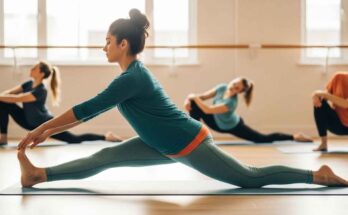
Have you ever bent down to tie your shoes and felt a stubborn pull at the back of your thighs? Or maybe after a long day at your desk, your legs feel like they’ve turned into stiff cables. If tight hamstrings are cramping your style, you’re not alone. These muscles, which run along the back of your upper legs, play a starring role in everything from walking to running, yet they often rebel with unrelenting tension. The good news? Understanding the root causes and incorporating targeted stretches can transform that discomfort into fluid movement. In this guide, we’ll dive deep into why your hamstrings might be clenching up and share practical stretches to bring relief. By the end, you’ll have actionable steps to not just ease the tightness but prevent it from sneaking back.
Understanding Your Hamstrings: A Quick Anatomy Lesson
Before we unpack the culprits behind the tightness, let’s get familiar with the players. Your hamstrings consist of three main muscles: the biceps femoris, semitendinosus, and semimbranosus. They originate at the base of your pelvis (the ischial tuberosity, or “sit bones”) and insert just below the knee. These powerhouses flex your knees and extend your hips, making them essential for basic locomotion and athletic feats alike.
When we say “tight” hamstrings, it often means the muscles and surrounding fascia have shortened or lost elasticity. This isn’t always about the muscles themselves being short; sometimes, it’s a protective response from your nervous system or imbalances elsewhere in the body. Tightness can limit your range of motion, leading to compensatory strain on your lower back or calves. Left unchecked, it might even contribute to injuries like strains or sciatica-like pain.
Common Causes of Tight Hamstrings
Tight hamstrings don’t appear out of nowhere. They result from a mix of daily habits, physical demands, and subtle body mechanics. Identifying your triggers is the first step toward lasting relief. Here are the most frequent offenders.
Prolonged Sitting and Sedentary Habits
In our desk-bound world, hours hunched over laptops or glued to couches shorten the hamstrings through constant flexion. When you sit, your hips bend, pulling the hamstrings into a semi-contracted state. Over time, this leads to adaptive shortening, where the muscles forget how to fully lengthen. Studies show that people who sit more than six hours daily experience up to 20 percent less hamstring flexibility. If your job involves a chair marathon, this could be your prime suspect.
Muscle Imbalances and Weak Supporting Players
Your hamstrings don’t work in isolation. If your glutes or core are underpowered, the hamstrings overcompensate, leading to fatigue and tightness. Weak glutes, in particular, fail to stabilize the pelvis during movement, forcing the hamstrings to pick up the slack. This imbalance often stems from favoring quad-dominant exercises like cycling without balancing with hip extensions. Poor posture exacerbates it; an anterior pelvic tilt (where your pelvis tips forward) stretches the hamstrings chronically, mimicking tightness.
Overuse Without Recovery
Runners, cyclists, and soccer enthusiasts know this all too well. High-impact activities strain the hamstrings repeatedly, especially if you skip warm-ups or cool-downs. Sudden sprints or hill climbs can micro-tear fibers, triggering inflammation and protective tightening. Even yoga poses held too long without variation can overload them. The key? It’s not the activity itself but the lack of recovery that turns temporary soreness into chronic grip.
Nerve Tension and Other Sneaky Factors
Sometimes, what feels like muscle tightness is actually nerve irritation. The sciatic nerve runs alongside the hamstrings, and tension from a tight piriformis muscle or spinal issues can mimic hamstring stiffness. Dehydration, inadequate protein intake, or even stress-induced cortisol spikes can reduce muscle elasticity too. If your tightness radiates down the leg or worsens with certain positions, nerve involvement might be at play.
The Impact of Tight Hamstrings on Your Daily Life
Beyond the annoyance, tight hamstrings disrupt more than just your stride. They can alter your gait, putting extra pressure on your knees and lower back, which might lead to shin splints or lumbar pain. In sports, reduced hip extension slows your speed and power. Daily tasks like squatting to play with kids or gardening become labors. Over time, this chain reaction heightens injury risk and saps energy. Addressing it early restores not just flexibility but overall vitality.
Effective Stretches to Loosen Tight Hamstrings
Stretching isn’t a one-and-done fix, but done mindfully, it rebuilds length and eases tension. Aim for 20-30 seconds per stretch, two to three times daily, breathing deeply to engage your parasympathetic nervous system. Start with dynamic moves to warm up, then shift to static holds. Here’s a curated set of stretches, progressing from beginner-friendly to more advanced.
Standing Forward Fold
This classic warms the entire posterior chain without equipment. Stand with feet hip-width apart, knees slightly bent to protect your back. Hinge at your hips and let your upper body drape forward, hands reaching toward the floor or shins. Let gravity do the work; avoid forcing your straight legs. Feel the gentle pull from your sit bones to knees. For intensity, walk your hands between your legs and sway side to side. Hold for 30 seconds, repeating three times. It’s ideal post-sit to counteract desk hunch.
Seated Strap Stretch
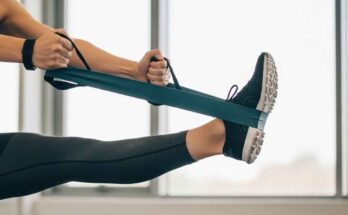
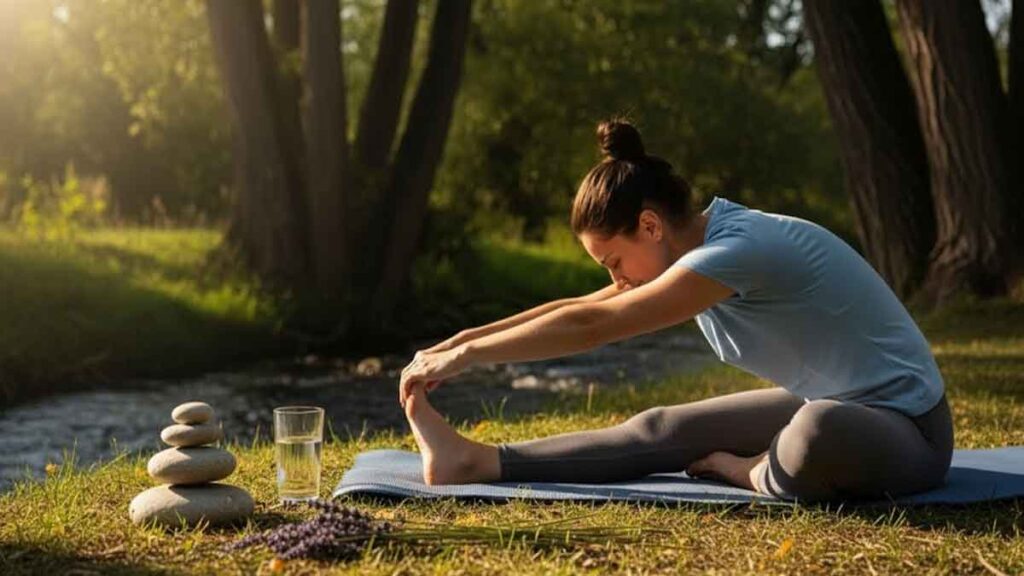
Perfect for home or office, this targets one leg at a time. Sit on the floor with your right leg extended straight, left knee bent with foot flat against your inner right thigh. Loop a towel or belt around the ball of your right foot. Inhale to lengthen your spine, then exhale as you gently pull the strap, keeping your leg straight but not locked. Tilt forward from the hips, not the waist, until you feel a mild stretch. Switch sides after 20-30 seconds. This isolates the hamstring, improving symmetry and reducing strain on the opposite side.
Supine Hamstring Stretch with Wall
Lie on your back near a wall or doorframe, scooting your hips close so one heel presses up against it, leg extended skyward. Keep the other leg bent or flat on the floor. Flex your foot (toes toward shin) to deepen the sensation. For a challenge, loop a strap around your foot and ease the leg wider. Breathe into any resistance; over time, this releases sciatic-adjacent tension. Hold each side for 45 seconds, twice daily. It’s gentle on the back, making it suitable for beginners or those with disc issues.
Downward-Facing Dog Variation
From yoga, this dynamic pose engages the whole body. Start in a plank, then lift your hips to form an inverted V, pressing heels toward the floor (they won’t touch, and that’s fine). Pedal your feet alternately to focus on each hamstring. To emphasize, step one foot forward slightly and bend the opposite knee. Flow for 30-60 seconds. It builds strength alongside flexibility, countering the pure-passive nature of other stretches.
Reclined Pigeon Pose
For those with hip involvement, this opens the glutes while hitting the hamstrings. Lie on your back, cross your right ankle over your left knee (figure-four shape). Thread your hands through to clasp the back of your left thigh, pulling gently toward your chest. Keep your head down to avoid neck strain. Switch after 30 seconds. This addresses imbalances by releasing the piriformis, often a hidden tightness amplifier.
Elephant Walks for Advanced Mobility
If you’re ready for movement, try this low-impact dynamic stretch. Stand tall, then fold forward, letting your hands touch the ground. Walk your hands forward into a plank, then “walk” your feet up toward your hands in small steps, keeping legs as straight as possible. Repeat five to ten times. It mimics natural loosening, enhancing blood flow and preparing for activity.
Incorporate these progressively; track progress with a simple toe-touch test weekly.
Strengthening Exercises to Prevent Recurrence
Stretching alone won’t cut it long-term. Pair it with strengthening to build resilience. Focus on glutes and core for balance.
Start with glute bridges: Lie on your back, feet flat, knees bent. Lift hips by squeezing glutes, hold two seconds, lower. Do three sets of 12. This activates dormant glutes, easing hamstring load.
Add Romanian deadlifts with light weights: Hinge at hips, barbell or dumbbells grazing shins, back flat. Three sets of 10 build eccentric control, the hamstring’s lengthening strength.
Finally, bird-dogs: On all fours, extend opposite arm and leg, hold five breaths. This core stability move prevents pelvic tilt. Aim for twice weekly.
Lifestyle Tips for Long-Term Relief
Prevention is proactive. Stand hourly if desk-bound, using a timer. Hydrate well; muscles need water for pliability. Foam roll daily, spending 30 seconds per leg to break fascial adhesions. Prioritize sleep, as recovery happens overnight. Consider ergonomic tweaks like a standing desk converter.
When to Seek Professional Help
Most tightness resolves with self-care, but red flags warrant a pro. Consult a doctor or physical therapist if pain is sharp, accompanied by swelling, bruising, or inability to bear weight. Numbness, tingling, or weakness signals nerve compression. Persistent symptoms beyond two weeks, or post-injury worsening, mean it’s time for imaging or tailored therapy.
FAQ
Q: How often should I stretch my hamstrings? A: Daily is best, but even three to four sessions per week yield results. Consistency trumps intensity.
Q: Can tight hamstrings cause back pain? A: Yes, by altering posture and gait, they increase lumbar stress. Strengthening the core helps mitigate this.
Q: Is it okay to stretch tight hamstrings before a workout? A: Opt for dynamic stretches like leg swings to warm up; save static holds for after.
Q: What if stretching makes the tightness worse? A: It might indicate nerve issues or imbalances. Ease up and consult a specialist for assessment.
Q: Are there foods that help with muscle tightness? A: Omega-3-rich foods like salmon reduce inflammation, while magnesium sources (spinach, nuts) support relaxation.
There you have it: a roadmap from hamstring frustration to freedom. Start small, listen to your body, and watch mobility return. Your legs will thank you.