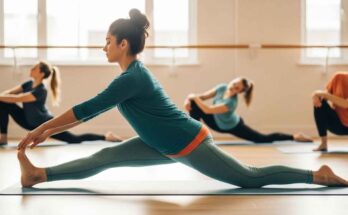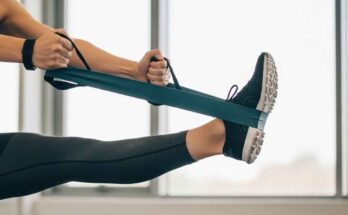
Imagine sinking into a pose where your hips unfold like the pages of an old book, releasing years of tension you did not even know were holding you back. If you have ever felt stuck in your flexibility journey, frustrated by the same old static stretches that promise more than they deliver, you are not alone. Our hips are the body’s emotional and physical crossroads, storing stress, sedentary habits, and even old injuries. But moving beyond basic stretching to deep hip openers can transform your mobility, ease chronic pain, and unlock a sense of freedom in your movements.
In this article, we dive into the world of advanced hip openers. You will learn why your hips deserve more than a quick hamstring pull, discover targeted techniques to deepen your flexibility safely, and get practical steps to weave these practices into your daily life. Whether you are a yogi chasing that elusive lotus pose or an athlete looking to boost performance, these insights will equip you with actionable tools. By the end, you will have a clear path to hips that feel alive, resilient, and ready for whatever life throws your way.
Understanding the Hips: The Body’s Hidden Powerhouse
Your hips are not just joints; they are a complex symphony of muscles, ligaments, and connective tissues working in harmony to support every step, twist, and bend. At the center sits the hip socket, a ball-and-socket marvel formed by the femur and pelvis, surrounded by powerhouses like the iliopsoas (your deep hip flexor), piriformis (a sneaky rotator), and gluteals (the backside stabilizers). These elements allow for a wide range of motion: flexion, extension, abduction, adduction, and internal and external rotation.
Why do hips matter so much for overall flexibility? Tight hips cascade into everything else. They pull on your lower back, causing aches during desk hours or deadlifts. They limit your squat depth in the gym or your forward folds in yoga. Emotionally, as yogic traditions suggest, hips hold onto unresolved feelings, manifesting as that inexplicable resistance during a pigeon pose. Common culprits for tightness include prolonged sitting, high-impact sports without recovery, or even hormonal shifts during life stages like pregnancy or menopause.
The good news? Targeted deep openers can restore balance. Unlike surface-level stretches that tug at the superficial layers, deep hip openers engage the joint’s inner workings, improving synovial fluid circulation for lubrication and fostering neural adaptations for better range. Studies in sports science highlight how consistent hip mobility work reduces injury risk by up to 30 percent in runners and weightlifters. Ready to go deeper? Let us explore why basic stretching falls short.
The Pitfalls of Basic Stretching and the Rise of Deep Openers
We have all done it: a hasty quad stretch after a run or a toe-touch before bed, checking the box for “flexibility work.” But basic stretching often operates on the stretch-reflex principle, where muscles rebound like rubber bands, limiting true elongation. It targets prime movers but ignores the deeper stabilizers, leading to plateaus where progress stalls around the 20-30 degree mark in hip rotation.
Deep hip openers flip the script. They combine sustained holds (isometric loading) with dynamic elements, using gravity, props, and breath to coax tissues into release. Think of it as negotiating with your body rather than forcing it. This approach draws from somatic practices like yin yoga and functional anatomy, emphasizing fascial unwinding over muscle isolation. The result? Not just longer holds, but integrated flexibility that translates to daily ease, like effortlessly tying your shoes or pivoting in a pickup basketball game.
To get there, focus on multi-planar movements that address all six hip directions. Start slow: assess your baseline by measuring internal rotation (lying on your back, knees bent, letting them fall inward) or external (frog-like spread). Track weekly to see gains. Now, let us break down the star poses that will elevate your practice.
Essential Deep Hip Openers: Poses and Techniques for Transformation
These seven deep hip openers build progressively, from accessible entry points to advanced challenges. Each includes step-by-step instructions, key benefits, and modifications for all levels. Aim for 3-5 minute holds per side, breathing deeply through the nose to signal safety to your nervous system. Use a mat, blocks, or bolster for support.
Pigeon Pose Variations: The Ultimate External Rotator
Pigeon pose, or Eka Pada Rajakapotasana, is a cornerstone for opening the outer hip. It targets the piriformis and gemelli, often culprits in sciatic discomfort.
- Begin in a low lunge with your right knee forward, shin angled toward the right mat edge.
- Slide your left leg back, lowering your hips until your right shin is perpendicular to your torso.
- Square your pelvis by drawing your left hip forward; fold forward over the right leg for depth.
- For intensity, thread your left arm under your body, grabbing the right foot (thread-the-needle variation).
Benefits include enhanced external rotation for better squats and reduced lower back strain. Modify by placing a block under your right hip if it lifts, or elevate your hands on blocks to ease the fold. Feel the stretch? That is your deep rotators saying hello.
Lizard Lunge with a Twist: Flexor Freedom
This dynamic opener hits the psoas and iliacus, countering desk hunch.
- From downward dog, step your right foot outside your right hand into a low lunge.
- Drop your back knee if needed, then sink your elbows to the ground inside the front foot.
- Walk your hands left for a twist, stacking your left shoulder toward the mat.
It boosts hip flexion for powerful kicks and eases menstrual cramps by releasing pelvic tension. Beginners: Keep the back knee down and use a cushion. Advanced: Lift the back knee and pulse gently for heat.
Fire Log Pose: Stacking for Internal Depth
Agnistambhasana stacks shins like firewood, compressing the inner hips for profound internal rotation.
- Sit with legs extended; cross your right shin over the left, stacking ankles near opposite thighs.
- Flex both feet; if knees splay high, use a strap around the feet to draw heels closer.
- Fold forward, hands extended or on shins.
Ideal for dancers needing turnout, it also calms the mind via forward fold. Modify with blocks under each knee to prevent strain; avoid if you have knee issues.
Frog Pose: Wide Abduction Awakening
Mandukasana sprawls you wide, targeting adductors for that grounded, expansive feel.
- On all fours, widen knees as far as comfortable, keeping shins parallel to mat edges.
- Flex feet, lower forearms to the ground, and relax belly toward the floor.
- Rock side to side for 30 seconds to loosen.
It enhances lateral stability for sports like tennis and improves birth preparation. Start narrow; use pillows under knees for sensitivity.
Happy Baby with a Bind: Playful Release
Ananda Balasana invites joy while deeply opening the sacrum and inner thighs.
- Lie on your back, hug knees to chest, then release feet to hands, knees wide toward armpits.
- For depth, bind big toes with index and middle fingers; gently pull heels toward shoulders.
- Rock side to side, massaging the spine.
This soothes lower back pain and boosts mood via endorphin release. Keep it light if hamstrings are tight; no bind needed.
Cow Face Pose Legs: Intense Rotational Blend
Gomukhasana isolates hips for balanced rotation.
- Sit tall; stack right knee over left, soles to heels if possible.
- Sit between feet; fold forward if space allows.
It preps for advanced seats like lotus, strengthening glutes too. Prop hips with a blanket; skip arm bind initially.
Reclined Butterfly with Blocks: Restorative Surrender
Supta Baddha Konasana uses gravity for passive opening.
- Lie back, soles together, knees wide; support knees with blocks or pillows.
- Arms overhead or at sides; close eyes for 5+ minutes.
Perfect for evenings, it aids digestion and deepens breath. Adjust block height for comfort.
Incorporate one new pose weekly to build tolerance.
Building a Sustainable Hip Opening Routine
Integration is key. Warm up with 5-10 minutes of cat-cow flows or hip circles to prime circulation. Sequence openers after strength work (like glute bridges) to avoid overstretch. Practice 3-4 times weekly, holding longer as tolerance grows. Pair with journaling: Note sensations pre- and post-practice to track emotional shifts.
For next-level results, layer in props like yoga wheels for rolling releases or therapy balls for self-myofascial work on the IT band. Track progress with a simple metric: Time how long you can hold a deep squat comfortably. Over months, expect 20-50 percent gains in range.
Avoiding Pitfalls: Safety First in Deep Work
Pushing too hard invites injury. Common errors include forcing alignment (let hips lead, not ego), ignoring pain signals (dull ache yes, sharp no), or neglecting the breath (shallow breathing tenses muscles). Always counterbalance: Follow openers with neutralners like child’s pose. If you have conditions like arthritis, consult a physical therapist. Hydrate well; fascia loves water.
Listen to your body daily. Some days, restorative wins; others, dynamic flows. Consistency trumps intensity.
Amplifying Results: Beyond Poses to Holistic Flexibility
Deep openers shine brighter with allies. Pranayama like ujjayi breath oxygenates tissues, while strengtheners (side-lying leg lifts) prevent laxity. Nutrition matters: Omega-3s from salmon reduce inflammation, and collagen supplements support joint health. Sleep 7-9 hours; recovery happens offline.
Mindset shift: View tightness as information, not failure. Visualize hips as blooming flowers, unfolding petal by petal. This somatic awareness turns practice into meditation.
In weaving these elements, you cultivate not just flexible hips, but a flexible life: adaptable, open, alive.
FAQ
How long does it take to see results from deep hip openers?
Most people notice subtle shifts in 2-4 weeks with consistent practice, like easier stairs or less morning stiffness. Deeper flexibility, such as full pigeon without props, may take 2-6 months, depending on starting point and frequency.
Can deep hip openers help with lower back pain?
Yes, often significantly. Tight hips tug on the lumbar spine; opening them reduces compensatory strain. Start gently with restorative poses like reclined butterfly, and pair with core work for stability.
What if I feel pain during these poses?
Distinguish between stretch sensation and pain. If it is sharp or radiates, exit immediately and rest. Build gradually, using modifications. Persistent issues warrant a doctor’s check for underlying concerns like labral tears.
Are these openers suitable for beginners?
Absolutely, with adaptations. Begin with shorter holds (1-2 minutes) and props. Focus on one or two poses per session to avoid overwhelm. Progress feels empowering when paced right.
How do deep hip openers differ from foam rolling?
Foam rolling targets superficial myofascial release, great for quick relief. Deep openers engage the joint capsule and emotional layers through sustained, mindful holds, offering longer-lasting mobility gains.
Can I do hip openers every day?
Daily practice is fine for restorative styles, but alternate intense poses with rest days to allow recovery. Listen to your body; overdoing it leads to fatigue rather than flow.