Yoga offers a transformative path to better flexibility, strength, and mental clarity, but diving in without guidance can lead to frustration or even injury. As a beginner, the excitement of unrolling your mat and flowing through poses is palpable, yet common pitfalls can derail your progress. The good news? By spotting and sidestepping these errors early, you set the stage for a sustainable, joyful practice that nourishes your body and mind.
In this article, we will explore five key mistakes that newcomers often make, drawing from foundational yoga principles to help you build a safer foundation. Each section breaks down the issue, explains its risks, and delivers practical steps to correct it. Whether you are practicing at home via online videos or joining a studio class, these insights will empower you to move with confidence. Remember, yoga is not about perfection; it is about mindful progress. Let us roll out that mat and get started.
Mistake 1: Skipping Proper Alignment in Poses
One of the most frequent oversights for beginners is rushing into poses without prioritizing alignment, the invisible blueprint that keeps your body balanced and protected. Alignment refers to how your joints stack and your muscles engage in harmony, much like constructing a stable tower of blocks. When ignored, it can strain ligaments, compress nerves, or exacerbate existing imbalances, leading to tweaks in the knees, back, or shoulders.
Why does this happen? In the heat of a class or tutorial, the focus often shifts to hitting a “picture-perfect” shape rather than the functional setup beneath it. For instance, in Downward-Facing Dog (Adho Mukha Svanasana), many arch their lower back or lock their knees, mistaking it for depth when it actually shortens the spine and overloads the hamstrings.
To avoid this, start with self-checks using simple cues. Begin each pose by grounding your feet or hands evenly, spread your toes wide in standing poses for a broad base. Use a mirror or record yourself during home sessions to visually confirm that your hips, shoulders, and ears align vertically where needed. Props are your allies here: a yoga block under your hands in Warrior II can prevent your torso from collapsing forward, while a strap around your feet in Forward Fold promotes a neutral spine.
Actionable tip: Incorporate a “alignment audit” ritual. Before transitioning, pause for three breaths and scan from feet to crown: Are my ankles under my knees? Is my neck an extension of my spine? Over time, this builds body awareness, reducing injury risk by up to 30 percent according to yoga therapy studies. Practice in short, focused sessions 10 minutes of aligned Sun Salutations daily to ingrain these habits without overwhelm.
Mistake 2: Holding Your Breath or Breathing Shallowly
Breath is the lifeblood of yoga, yet beginners often forget to breathe deeply or hold their breath entirely during challenging holds. This turns what should be a fluid, energizing practice into a tense struggle, spiking stress hormones like cortisol and limiting oxygen to fatigued muscles. Shallow breathing also disrupts the parasympathetic nervous response, which yoga aims to activate for relaxation and recovery.
The root cause? Habitual tension from daily life carries over to the mat, where effort in a pose like Plank instinctively prompts breath-holding as a brace. It feels instinctive, but it robs you of the pose’s full benefits, such as improved endurance and mental focus.
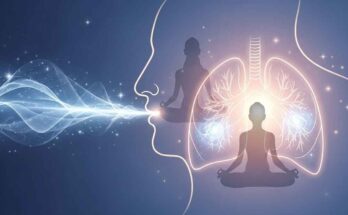
Correction starts with intentional pranayama, or breath control. Adopt Ujjayi breath a gentle throat constriction that creates an ocean-like sound, as your default. Inhale through the nose to fill your belly first, then expand your ribs and chest, and exhale fully to release tension. Sync this with movement: Inhale to lengthen, exhale to fold or twist. If a pose feels intense, step back to Child’s Pose and rebuild your rhythm.
Practical steps include pre-practice breathing exercises. Try 4-7-8 breathing: Inhale for four counts, hold for seven, exhale for eight. Do this for five rounds before class to prime your system. During practice, set a mental anchor, whisper “breathe” on each transition. Track your sessions in a journal: Note poses where breath falters and revisit them with modifications, like knees-down Plank. Consistent deep breathing not only safeguards against dizziness or hyperventilation but enhances pose retention, helping you hold Tree Pose steadily for longer.
Mistake 3: Forcing Your Body into Advanced Variations Too Soon
Eagerness is a beginner’s spark, but pushing into deep backbends or splits before your body is ready invites micro-tears in muscles and connective tissues. This “no pain, no gain” mindset clashes with yoga’s ethos of ahimsa, or non-violence toward oneself, potentially leading to chronic issues like hamstring pulls or wrist strains.
It stems from social media highlights or class peer pressure, where seeing others in full Pigeon Pose tempts you to mimic without building prerequisite strength and mobility. Your unique anatomy, tight hips from desk work or past injuries, means one size does not fit all.
Embrace progression over perfection by honoring your edges. Use the 80/20 rule: Aim for 80 percent ease in a pose, reserving 20 percent for gentle challenge. In Bridge Pose, for example, lift only as high as your glutes engage without arching your lower back excessively; prop your sacrum with a block if needed. Listen to your body: Sharp pain signals stop, while a warming stretch is progress.
To implement, curate a beginner-friendly sequence. Start with foundational poses like Cat-Cow to awaken the spine, then layer in variations weekly, add a bind to Thread the Needle only after mastering the basic twist. Seek teacher feedback in classes; they can spot when you are overreaching. Off-mat, complement with daily mobility drills, such as ankle circles or shoulder rolls, to gradually expand your range. This patient approach fosters resilience, turning potential setbacks into stepping stones for advanced asanas down the line.
Mistake 4: Overlooking Warm-Up and Cool-Down Routines
Jumping straight into vigorous flows without warming up is like starting a car engine in freeze mode, it risks stalling or damage. Beginners often undervalue these bookends, leading to cold muscle pulls or post-practice soreness that discourages consistency. Without them, blood flow lags, joints remain stiff, and the nervous system stays in fight-or-flight rather than restorative mode.
The oversight arises from time constraints or underestimating their role; a five-minute warm-up feels trivial next to a 45-minute vinyasa. Yet, it prepares tissues for load-bearing, while cool-downs aid lymphatic drainage and mental integration.
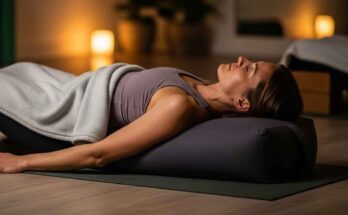
Counter this by ritualizing transitions. For warm-ups, dedicate 5-10 minutes to gentle movements: March in place to elevate heart rate, then flow through neck rolls, arm swings, and hip circles. In a standing sequence, begin with Mountain Pose, rooting down and swaying side to side to lubricate the spine. Cool-downs mirror this in reverse: Ease into supine twists, then Savasana for deep belly breaths, holding for at least five minutes to seal the practice.
Make it actionable with a checklist: Pre-mat, sip warm water and do joint mobilizations; post-mat, foam roll tight spots like IT bands. Customize based on your session, Hatha needs lighter prep than hot yoga. Over weeks, you will notice smoother transitions and fewer aches, as warmed tissues absorb impact better. This habit not only prevents strains but amplifies yoga’s holistic perks, like better sleep from a grounded cool-down.
Mistake 5: Comparing Your Practice to Others or Instructors
The mat can mirror insecurities, where glancing at a lithe classmate in effortless Crow Pose breeds self-doubt and rushed efforts. This comparison trap erodes joy, fostering a competitive edge that contradicts yoga’s introspective core, and it may prompt unsafe compensations to “keep up.”
It is human nature in group settings or online feeds, amplified by highlight reels that skip the years of dedication behind those poses. Your journey, shaped by age, fitness history, or stress levels is inherently personal.
Shift inward with santosha, or contentment. Set private intentions per class, like “cultivate steady breath” instead of “nail this inversion.” In mirrors, soften your gaze to your reflection, not others. If envy arises, reframe: View peers as inspirations, then return to your breath.
Actionable strategies include solo practices twice weekly, free from external eyes, to reconnect with your pace. Join beginner-specific classes or apps with progress trackers that celebrate small wins, like increased hold times. Post-session, reflect: What felt good today? This builds self-compassion, reducing dropout rates from discouragement. Ultimately, your practice blooms in isolation from comparison, revealing depths unique to you.
Conclusion
Navigating beginner yoga pitfalls is part of the unfolding journey, but armed with awareness, you transform potential hurdles into wisdom. By refining alignment, honoring breath, easing into progress, bookending sessions mindfully, and tuning out comparisons, you cultivate a practice that is as safe as it is sacred. Start small, pick one mistake to address this week and watch your confidence grow. Yoga is your invitation to presence; accept it gently, and the rewards will flow naturally. Namaste.
FAQ
What should I do if I feel pain during a yoga pose?
Distinguish between discomfort (a healthy stretch) and pain (sharp or persistent). If pain occurs, exit the pose immediately, rest in Child’s Pose, and consult a doctor for underlying issues. Modify with props and build gradually.
How often should a beginner practice yoga?
Aim for 2-3 sessions per week, 20-30 minutes each, to allow recovery. Consistency trumps intensity; listen to your body and rest as needed to prevent burnout.
Are yoga props necessary for beginners?
Absolutely beneficial, not essential. Blocks, straps, and bolsters make poses accessible, supporting alignment and reducing strain. Start with affordable basics if budget allows.
Can yoga help with stress even if I am not flexible?
Yes! Yoga’s breathwork and mindfulness reduce cortisol levels regardless of flexibility. Focus on restorative styles like Yin for stress relief over acrobatic flows.
How do I choose the right yoga class for beginners?
Look for “beginner,” “foundations,” or “gentle” labels. Prioritize certified instructors who emphasize modifications. Try a few styles, Hatha for basics, Vinyasa for flow to find your fit.